
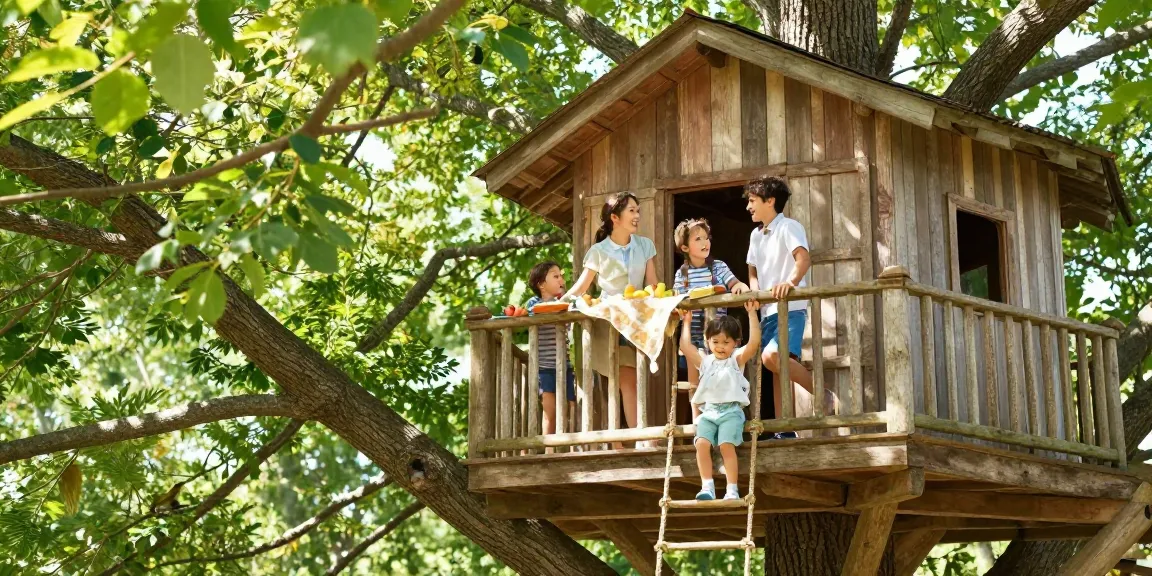
The Allure of Treehouses
Treehouses have long captured the imagination of people from all walks of life, embodying a sense of adventure and nostalgia. They are not just wooden structures nestled high in the treetops; they represent dreams of childhood exploration and a unique connection to nature. As more individuals seek to escape from the hustle and bustle of modern life, the charm of treehouses continues to resonate, making them an appealing option for weekend getaways, unique rentals, or even permanent residences. When exploring options, treehouses provide comprehensive insights into building your very own retreat.
Why Treehouses Captivate All Ages?
The concept of a treehouse transcends generations. For children, it is a sanctuary where their imaginations run wild—an invincible fortress or a pirate ship sailing into the sunset. Adults find solace in these elevated havens, offering a peaceful retreat from everyday life. As life gets progressively busier and more digitally oriented, the allure of retreating into nature becomes even more compelling.
Moreover, treehouses create memorable experiences. They often encourage family bonding through activities such as storytelling, stargazing, or simply enjoying the beauty of the surrounding environment. This multifaceted appeal is one reason why treehouses continually thrive in both popular culture and as physical structures in parks, resorts, and backyards.
Exploring Treehouses as Unique Getaway Options
The emergence of treehouses as premium getaway options has led to a surge in unique accommodations worldwide. From luxury treehouses that boast gourmet kitchens and wi-fi to rustic cabins that embrace the wooden aesthetic, the variations are endless. These properties offer visitors a completely immersive natural experience, often surrounded by breathtaking views and wildlife.
Treehouse resorts are strategically located in some of the planet's most beautiful settings, allowing guests to reconnect with nature while indulging in luxurious comforts. The opportunity to wake up among the treetops, listen to the gentle rustle of leaves, and witness breathtaking sunrises creates an unforgettable experience that many seek out.
Treehouses in Popular Culture and Media
Treehouses have made their mark on film, television, and literature as symbols of freedom and creativity. Notable films, books, and TV shows feature treehouses as significant plot points or settings, reinforcing their imagination-inspiring qualities. Famous examples include the classic film "Swiss Family Robinson," where treehouses become a refuge, and contemporary television series that use treehouses as whimsical hideaways. Such representations not only enhance their cultural significance but also inspire people to consider building or renting these unique structures.
Designing the Perfect Treehouse
Creating the ideal treehouse involves combining aesthetics with functionality. Whether it's for a personal project or a commercial rental, several essential elements must be considered during the design phase. A well-designed treehouse can enhance the natural environment while providing a comfortable living space.
Essential Elements of Treehouse Architecture
When designing a treehouse, it is vital to find the right balance between creativity and practicality. Key architectural elements to consider include:
- Location: The selection of the right tree or group of trees is fundamental. Choose trees that are mature, healthy, and sturdy enough to support the additional weight.
- Size and Scale: The treehouse should complement the surrounding environment. Consider the dimensions of the tree and local building norms to create a harmonious structure.
- Access: Safe and easily accessible entry points, such as ladders, stairs, or rope bridges, enhance usability while adding an adventurous twist.
- Windows and Ventilation: To create a pleasant atmosphere, ample windows for natural light and ventilation are essential. The use of large glass panels or strategically placed windows can provide stunning views.
Materials That Enhance Durability and Aesthetics
Choosing the right materials is crucial for constructing a treehouse that is both visually appealing and weather-resistant. Common materials include:
- Wood: Naturally, wood is the preferred choice for traditional treehouses. Look for treated timber to ensure longevity.
- Steel and Composite Materials: Incorporating these materials can enhance sturdiness, especially in areas prone to harsh weather conditions.
- Eco-Friendly Options: Reclaimed wood or sustainable resources also appeal to environmentally conscious builders, ensuring minimal ecological impact.
Creating Functional Outdoor Spaces: Balconies and Decks
Incorporating outdoor spaces into treehouse designs can significantly enhance the user experience. Well-placed balconies, decks, or patios provide extra areas to relax and enjoy the surroundings. These structures may include:
- Seating Areas: Comfortable seating encourages relaxation, making it easier to enjoy nature.
- Outdoor Dining: A dining area allows residents to enjoy meals surrounded by trees and nature.
- Fire Pits: Adding a fire pit can create a cosy gathering place during evenings.
Building Regulations and Safety Standards
Before embarking on the journey of constructing a treehouse, understanding the local regulations is essential to ensure compliance and safety. Regulations may vary widely based on location and intended use.
Understanding Local Regulations for Treehouse Construction
Different regions may have specific zoning laws and building codes that govern treehouse construction. It is crucial to check with local authorities or building inspectors to obtain necessary permissions. Factors such as height, access, and intended use (residential, recreational) often dictate what regulations apply.
Safety Guidelines for Treehouse Design
Safety should be a priority during both the design and construction phases. Key guidelines to follow include:
- Weight Capacity: The treehouse must be designed to support anticipated loads including occupants and furniture.
- Structural Integrity: Regular inspections of the tree and structure are essential to prevent decay or structural failure.
- Materials Safety: Use non-toxic materials and finishes, especially if children will use the treehouse.
Planning for Long-Term Maintenance and Inspections
Regular maintenance is critical to ensuring the longevity of a treehouse. Owners should set up a schedule for:
- Inspections: Check for signs of wear and tear, pests, or structural damage.
- Cleaning: Remove debris and leaves that may accumulate on the roof or around the treehouse.
- Repairs: Address any issues promptly to prevent further damage and ensure user safety.
Treehouses and Environmental Impact
Building a treehouse presents an opportunity to create a space that coexists harmoniously with its natural surroundings. Environmental considerations should guide the construction process.
Eco-Friendly Building Practices for Treehouses
Incorporating eco-friendly practices into the design and construction of treehouses can minimise environmental impact. Techniques include using sustainable materials, implementing rainwater harvesting systems, and ensuring energy-efficient design through proper ventilation and insulation.
How Treehouses Can Support Local Ecosystems
Treehouses positioned within healthy, biodiverse settings can foster ecological benefits, such as:
- Wildlife Habitats: They can help create spaces for local wildlife, particularly if designed thoughtfully to avoid disrupting the surrounding ecosystem.
- Education and Awareness: Treehouses can serve as educational platforms to raise awareness about nature and conservation efforts.
Future Trends in Sustainable Treehouse Construction
The growing emphasis on sustainability is shaping the future of treehouse construction. This includes an increase in:
- Smart Technologies: Incorporating smart home technologies for energy management and security.
- Community Projects: Collaborations between local builders and environmentalists to promote responsible treehouse building.
- Innovative Design: Trends toward using fewer materials while enhancing functionality and aesthetic appeal.
Treehouses as a Business Opportunity
With the rise of eco-tourism and unique lodging experiences, treehouses have become increasingly popular as profitable ventures. Businesses can leverage the charm of treehouses to create memorable experiences for guests.
Leveraging Treehouses in the Hospitality Sector
The hospitality sector has embraced treehouses as a captivating accommodation choice. Many resorts now offer luxurious treehouse stays that feature high-end amenities, appealing to honeymooners, families, and adventure seekers.
Marketing Your Treehouse Experience to Attract Visitors
To stand out in the competitive travel market, effective marketing strategies are essential. This may include:
- Online Presence: Creating an attractive website and utilizing social media to showcase your treehouse.
- Partnerships: Collaborate with travel influencers or local attractions to reach a wider audience.
- Unique Offerings: Offering packages that include meals, guided tours, or unique experiences can enhance appeal.
Success Stories: Profitable Treehouse Rentals Across the World
Numerous treehouse rental businesses have found success by tapping into this niche market. From scenic locations in national parks to luxurious options in urban settings, these ventures illustrate the wide-ranging appeal of treehouses for vacationers seeking something different.
How much money does it cost to build a treehouse?
The cost of building a treehouse can vary significantly based on size, materials, and complexity. Simple treehouses may be constructed for as little as £1,000, while elaborate designs can exceed £10,000 or more.
Is it legal to build a treehouse in your backyard?
Generally, treehouses are legal to construct, but it is essential to check local zoning laws and building codes that may govern such structures.
How long do treehouses last?
With proper maintenance, a well-built treehouse can last decades. Regular inspections and care are crucial to its longevity.
What is the best treehouse ever?
This is subjective, as the "best" treehouse can vary based on personal preference; however, treehouses that blend creativity with functionality, such as those nestled in scenic locations or featuring sustainable technologies, are often celebrated.