Introduction to Giant Building Blocks
Giant building blocks represent an innovative and engaging way for children to explore creativity, develop critical skills, and experience the joy of building. These oversized blocks captivate young imaginations, inspiring endless possibilities for construction and play. Playtime isn't just a break from routine; it's a vital part of childhood development. As we delve into the world of giant building blocks, you'll find tips, ideas, and safety considerations to enhance playtime significantly. For further insights and additional ideas, you can discover more.
What Are Giant Building Blocks?
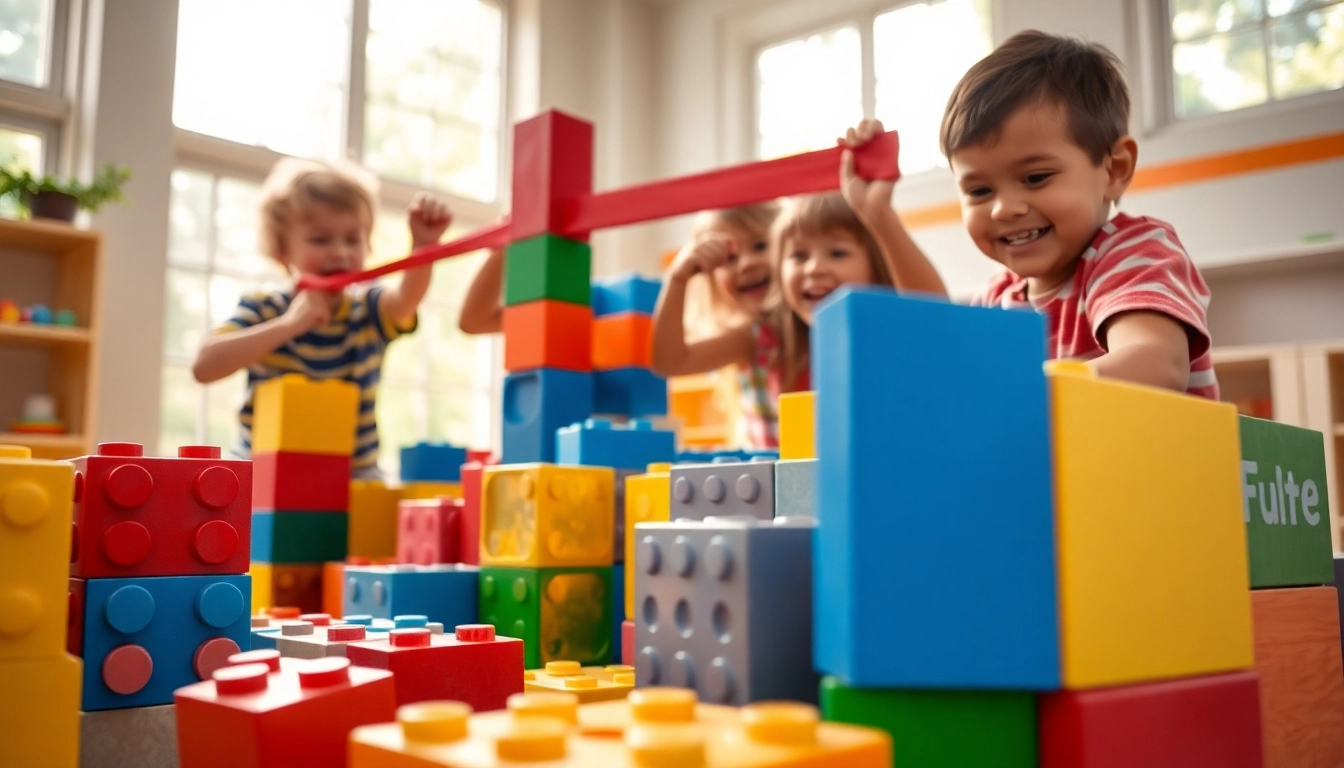
Giant building blocks are oversized, lightweight blocks specifically designed for children's play. Made from soft, durable materials, these blocks come in various shapes, sizes, and colors. Unlike traditional building blocks, which can be small and intricate, giant blocks are easier for little hands to manipulate, encouraging creativity and physical activity. They can be used both indoors and outdoors, providing children a versatile play option that stimulates their imagination while developing fine motor skills.
The Benefits of Play with Large Blocks
The advantages of playing with giant building blocks extend beyond mere fun and entertainment. They offer numerous developmental benefits, including:
- Physical Development: Handling large blocks helps to strengthen muscles and improve coordination.
- Cognitive Development: Building fosters critical thinking and problem-solving skills as children visualise their creations.
- Social Skills: Collaborative play encourages teamwork and communication among peers.
- Emotional Intelligence: Children learn to express their feelings and ideas as they engage in creative activities.
Safety Considerations for Indoor Adventures
When engaging in play with giant building blocks, safety should always be a priority. Here are essential safety considerations:
- Supervision: Always supervise children during play to prevent accidents and injuries.
- Soft Surfaces: Ensure play areas have soft surfaces like carpets or mats to reduce the risk of injury if blocks fall.
- Age-Appropriate Play: Choose blocks that are appropriate for the child’s age and size to prevent choking hazards.
- Clear Space: Maintain a clutter-free play area to allow safe building and movement.
Creative Ideas for Playtime
Incorporating creativity into playtime with giant building blocks can lead to remarkable experiences. Here are some imaginative ways to engage children:
Theme-Based Building Challenges
Introduce children to themed building challenges, where they can construct structures based on specific themes. Whether it’s building a castle, a spaceship, or a zoo, these challenges encourage children to utilize their imagination, collaborate with friends, and learn about different structures and designs from around the world. Theme-based challenges stimulate both creativity and critical thinking while allowing for adventurous play.
Incorporating Storytelling into Play
Storytelling significantly enriches playtime experiences. Encourage children to create stories around the structures they build. For example, if they construct a giant fortress, they can narrate a tale about a brave knight defending the castle from dragons. This imaginative integration helps children develop narrative skills, boosts vocabulary, and fosters communication abilities—all while having fun.
Collaborative Building Activities
Collaboration is essential in play, as it nurtures teamwork and social interaction. Organize group building activities where children can work together to create large-scale structures. This collaborative effort increases social skills as children negotiate and share ideas, fostering a sense of community and belonging. Children also gain positive reinforcement when praised for their teamwork, boosting their self-esteem.
Designing an Ideal Play Environment
The right play environment can significantly enhance the overall play experience. Designing a suitable space for giant building blocks involves careful planning on various fronts.
Choosing the Right Location
Select a spacious area that’s free from obstacles and distractions. Whether indoors or outdoors, a safe, designated play area should allow for unrestricted play and creativity. Adequate room for movement is essential, enabling children to walk around their structures and safely explore their creations.
Essential Supplies for Block Play
While giant building blocks are the stars of playtime, having essential supplies on hand can elevate the experience. Apart from the blocks themselves, consider including:
- Blankets and Cushions: These can be used as building materials or for comfort while sitting.
- Markers and Paper: Children can sketch out their ideas before building, enhancing the planning process.
- Props: Add elements like toy figurines or cars to inspire imaginative play within their constructed environments.
Creating Comfortable Play Zones
Creating a comfortable play zone encourages extended playtime. Ensure the area has good lighting, ventilation, and non-slip flooring. Position soft seating around the play area where caregivers can relax while supervising the children. Temporary walls made from cushions can also help define the play space, making it feel like a dedicated fun zone.
Developing Skills Through Block Play
The benefits of giant blocks extend to skill development. The tangible nature of building offers children an excellent opportunity to acquire essential life skills.
Enhancing Motor Skills and Coordination
Manipulating large blocks aids in developing fine and gross motor skills. As children stack, balance, and align blocks, they refine their hand-eye coordination and dexterity. Engaging in such activities strengthens their physical abilities, setting a foundation for more complex tasks as they age.
Fostering Social Skills and Teamwork
Playing with others is crucial for teaching children effective social skills. Building collaboratively helps them learn to listen, share, and negotiate with peers. These interactions enable children to develop empathy and understanding, making them more capable of working in teams in the future—whether at school or home.
Encouraging Problem-Solving Abilities
Block play presents various challenges that require children to think critically and solve problems. As they encounter difficulties, such as a collapsing tower, they are prompted to assess what went wrong and how to rectify it. This iterative process of trial and error encourages resilience and promotes a growth mindset.
Frequently Asked Questions
What ages are suitable for giant building blocks?
Giant building blocks are primarily designed for toddlers and preschoolers but can be enjoyed by children up to around age 8. Always ensure blocks are age-appropriate to avoid choking hazards.
How do blocks promote creativity in children?
Blocks provide endless possibilities for construction, allowing children to experiment with structures, shapes, and designs. This freedom fosters imaginative play and creative problem-solving.
Can giant blocks be used outdoors?
Yes, giant building blocks are versatile and can be used both indoors and outdoors. They provide a great way to engage children in physical play while enjoying fresh air.
What maintenance is required for building blocks?
Regularly clean the blocks with mild soap and water to maintain hygiene. Check for damages or wear and replace any broken pieces to ensure safety during play.
Are there educational resources available for block play?
Many educational resources, including books and online tutorials, explore block play's developmental benefits and offer creative activity ideas for parents and educators.