Understanding the Importance of Construction Safety Training Colorado
Construction sites pose significant risks to workers, making safety training an essential aspect of the industry. In Colorado, where construction is thriving, the need for effective construction safety training colorado cannot be overstated. This training not only protects employees but also fosters a culture of safety that can lead to enhanced productivity and reduced costs associated with accidents.
The need for safety training in construction
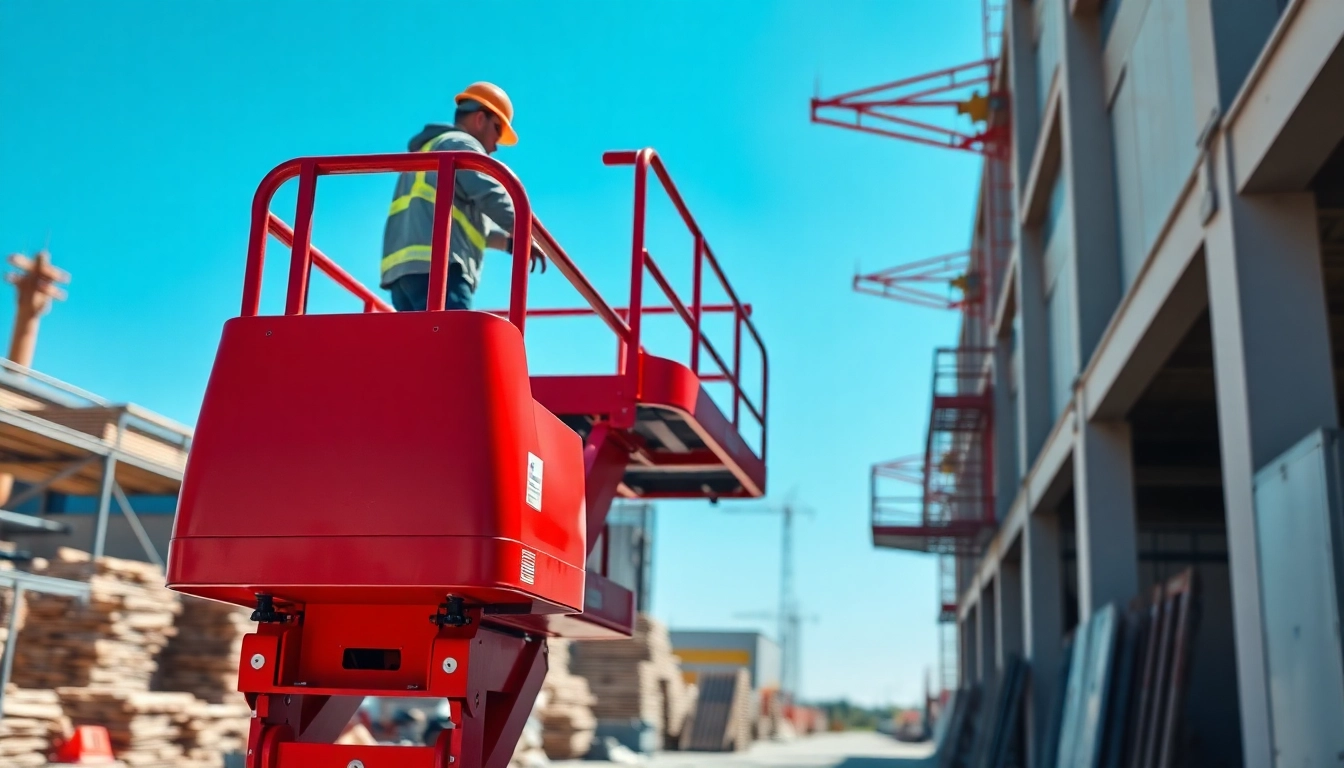
The construction industry is known for its physically demanding work and hazardous conditions. Workers are often exposed to various risks, including falls, equipment-related hazards, and electrical dangers. Safety training equips workers with the knowledge and skills necessary to recognize and mitigate these risks, ultimately preventing injuries and saving lives.
Key statistics on construction accidents
In recent years, the construction sector has witnessed several alarming trends regarding workplace accidents. According to the Occupational Safety and Health Administration (OSHA), falls, being struck by an object, electrocutions, and getting caught in/between hazards are the leading causes of fatalities in construction. Understanding these statistics highlights the critical need for robust safety training. A study showed that effective training programs could reduce accidents by as much as 30%, significantly impacting workforce safety.
Long-term benefits of safety training
Investing in construction safety training brings long-term benefits that extend beyond compliance with regulatory requirements. Proper training reduces the frequency and severity of workplace accidents, which in turn minimizes downtime and boosts employee morale. Furthermore, it can lower insurance costs and improve overall productivity, making safety training a wise investment for both employees and employers.
Components of Effective Construction Safety Training Colorado
Core topics covered in training sessions
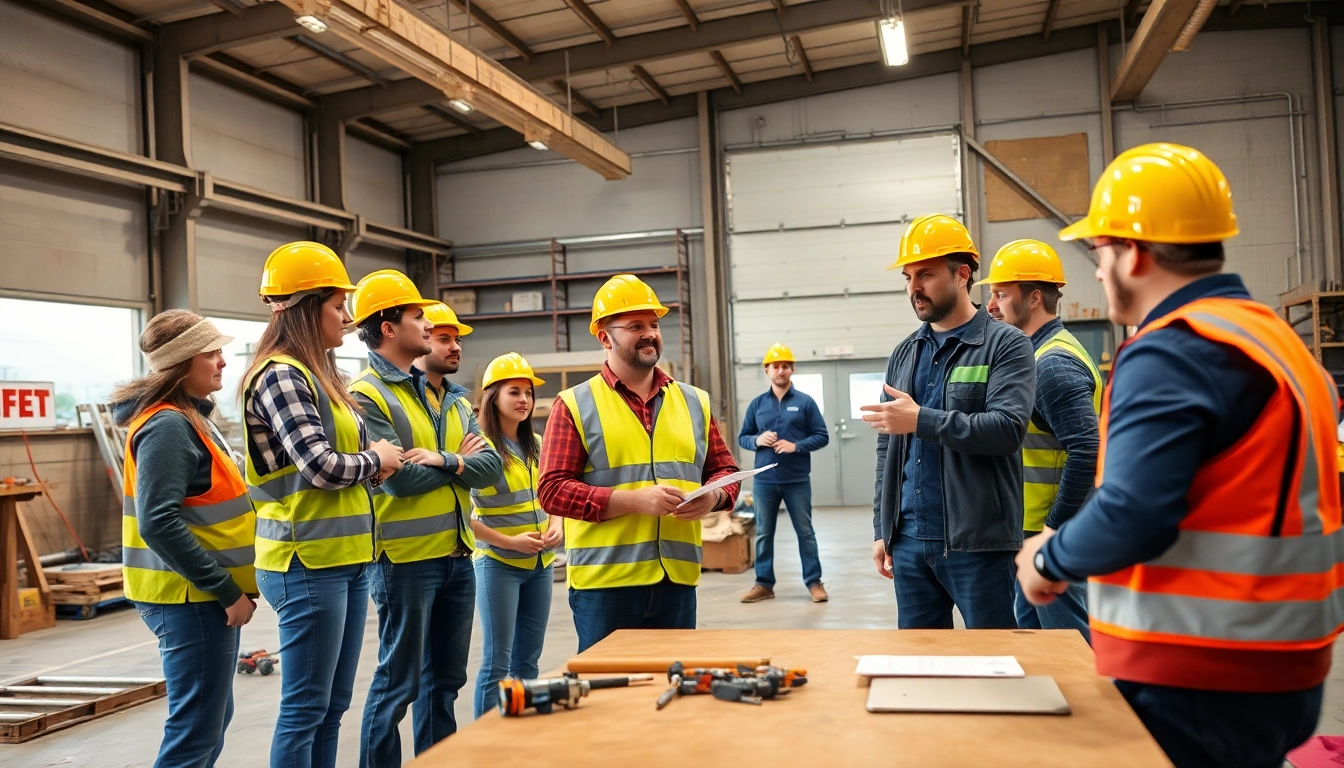
Effective construction safety training should cover a wide range of topics. Common core subjects include hazard recognition, safe work practices, personal protective equipment (PPE), and emergency response protocols. Training should also include specific content related to the construction processes relevant to a project's nature, such as scaffolding safety, excavation procedures, and equipment operation protocols.
Hands-on practice and simulations
Theoretical knowledge alone is insufficient in high-risk environments like construction. Hands-on practice and simulations play a crucial role in effective safety training. Realistic drills that mimic emergency scenarios help workers practice responses and build confidence. These exercises reinforce learning by allowing employees to apply their knowledge in a controlled, supportive environment, which is essential for retention and performance under pressure.
Compliance with OSHA standards
OSHA establishes guidelines that set the standard for safety training in various industries, including construction. Compliance with these standards is not only a legal obligation but also a critical component of creating a safety-oriented workplace. Training programs must align with OSHA guidelines, ensuring that workers are well-informed about safety regulations, rights, and responsibilities. This alignment helps prevent legal ramifications and fosters a culture of safety that is deeply integrated into daily operations.
Implementing Construction Safety Training Colorado in Your Organization
Assessing training needs for your team
Before implementing a safety training program, it is essential to assess your team's specific training needs. This assessment should factor in the types of projects your organization undertakes, the existing knowledge level of your workers, and any incidents or near-misses that have occurred in the past. Regular evaluations help tailor training initiatives to address identified gaps, making your training efforts more relevant and impactful.
Choosing the right training providers
Selecting the right training provider is crucial for effective safety training. Organizations should look for providers with a proven track record, industry experience, and accredited programs that comply with OSHA standards. Engaging trainers who are knowledgeable about the latest safety practices and possess practical field experience can significantly enhance the relevance and effectiveness of your training sessions.
Scheduling and planning practical sessions
Integrating safety training into your organization's schedule can be challenging but necessary. Planning practical sessions should consider the workflow and project timelines to minimize disruption. Scheduling regular training intervals also reinforces learning and ensures new employees receive adequate training before entering live work environments. Organizations should adopt flexible training schedules to accommodate various shifts and job types while ensuring comprehensive coverage for all workers.
Monitoring and Evaluating Training Effectiveness
Measuring knowledge retention among workers
Evaluating the effectiveness of construction safety training involves measuring knowledge retention among workers. Employing assessments, quizzes, or practical demonstrations can help gauge how well participants have absorbed the material. Regular testing and refresher courses ensure that knowledge remains current and top-of-mind for employees, reinforcing the importance of safety on the job.
Conducting follow-up assessments
Follow-up assessments are essential in determining whether safety training has achieved its objectives. Organizations should implement periodic evaluations to identify any ongoing issues or additional training needs. Engaging workers in discussions about their training experiences provides valuable insights into training effectiveness and areas for improvement, leading to better safety outcomes.
Adapting training methods based on feedback
To maintain and improve the quality of safety training, organizations must be open to adapting their methods based on participant feedback. Regularly soliciting input from employees about the training content, delivery, and perceived value can help refine future training sessions. This iterative process ensures that training remains relevant and engaging, fostering a continuous improvement mindset within the organization.
Frequently Asked Questions About Construction Safety Training Colorado
What are the key topics included in safety training?
Key topics typically cover hazard recognition, safe work practices, PPE usage, and emergency response plans tailored to the construction industry.
How often should training be renewed?
Training should be renewed annually, or whenever new equipment is introduced, procedures change, or following an incident to maintain compliance and relevance.
Can training be customized for specific projects?
Yes, training can and should be customized to address the unique risks associated with specific projects, ensuring workers are appropriately prepared for diverse challenges.
What are the costs associated with construction safety training?
Costs vary based on the training provider, program specifics, and number of participants but generally include program fees, instructional materials, and potential downtime.
Are there certifications available for participants?
Many training programs offer certifications upon completion, indicating that participants have met specific safety standards and are qualified to work in compliance with regulations.