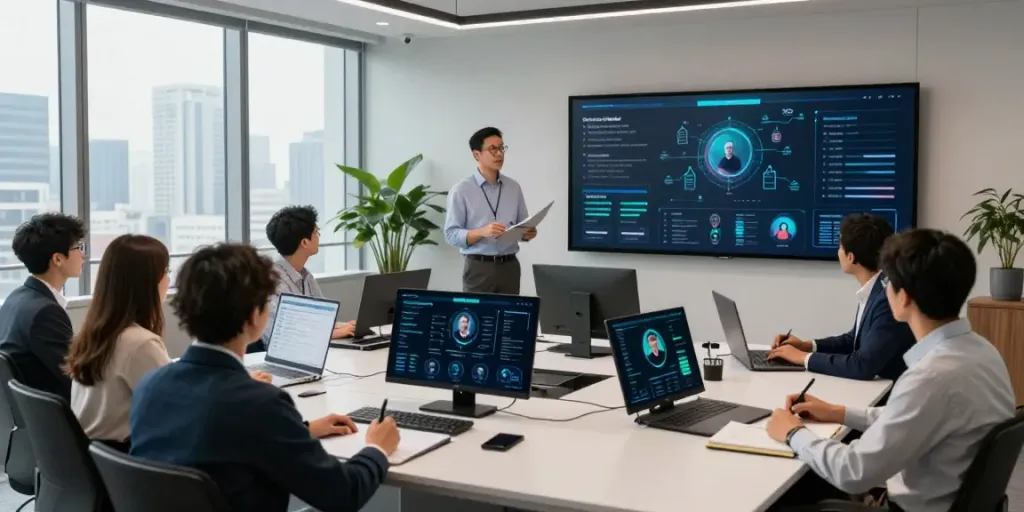
Understanding Remote IT Support for Small Business
In today's rapidly evolving technological landscape, small businesses increasingly rely on digital solutions to enhance productivity and manage operations efficiently. However, navigating the complexities of IT can be daunting, especially for smaller enterprises lacking dedicated IT departments. This is where remote it support for small business comes into play, providing a lifeline for those in need of expert assistance without the overhead costs of traditional IT services.
What is Remote IT Support?
Remote IT support refers to services rendered by IT professionals who assist businesses via remote access tools, eliminating the need for on-site visits. This type of support allows technicians to diagnose and resolve issues from afar, streamlining the support process and reducing downtime for businesses. Whether it's troubleshooting software glitches, installing updates, or providing cybersecurity measures, remote IT support is versatile and efficient.
Key Benefits of Remote IT Support for Small Business
Engaging remote IT support offers numerous advantages tailored to small businesses:
- Cost-Effectiveness: Enjoy savings on in-house payroll and training by utilizing expert remotely.
- Increased Efficiency: Quick response times mean problems can be resolved faster, minimizing operational disruptions.
- Access to Expertise: Gain access to experienced professionals with specialized skills without the need for permanent hires.
- Scalability: Easily adjust your service level as your business grows or as project demands fluctuate.
- 24/7 Support: Many services offer round-the-clock assistance, ensuring help is available whenever it's needed.
How Remote IT Support Operates
The mechanics behind remote IT support involve a combination of software tools and communication strategies. Technicians use remote desktop applications, screen sharing, and cloud-based IT solutions to access company networks securely. Initial consultations often happen through phone calls or video chats, where IT staff assess the issue before accessing the computer systems remotely. This streamlined process not only saves time but also enhances the user experience as technicians can see exactly what the user encounters.
Choosing the Right Remote IT Support Services
Selecting the best remote IT support provider is crucial for any small business looking to optimize its technology management. Here are essential criteria to consider:
Criteria to Evaluate Remote IT Support Providers
When reviewing remote IT support options, small business owners should consider the following:
- Service Level Agreements (SLAs): Examine the SLAs to understand the guaranteed response times, uptime promises, and resolution policies.
- Technical Expertise: Ensure that the provider has a proven track record and expertise in relevant technologies specific to your industry.
- Customer Support: Assess the availability of support, including chat, phone, and email options, and the quality of service they provide.
- Security Measures: Investigate the provider’s security protocols to protect both your data and IT infrastructure.
- Client Testimonials and Reviews: Consider feedback from other businesses to gauge the provider's reliability and service satisfaction.
Common Features of Remote IT Support for Small Business
Different remote IT support solutions offer various features. Here are some that are typically included:
- Remote Desktop Support: Technicians can access and control user computers to troubleshoot issues directly.
- Network Monitoring: Continuous monitoring of network performance to preemptively identify potential issues.
- Backup and Recovery Solutions: Ensuring data protection through reliable backup strategies and recovery plans.
- Software Management and Updates: Routine management of software installations, updates, and upgrades.
- Help Desk Services: Providing ongoing tech support for employees as needed.
Understanding Pricing Models
Understanding how remote IT support pricing works is vital for budget management. Providers typically use several pricing models:
- Hourly Rates: Pay for the exact amount of service received, suitable for occasional support needs.
- Monthly Subscriptions: Access a full suite of services for a flat monthly fee, ideal for ongoing support.
- Pay-As-You-Go: Flexibility to pay for services as needed without long-term commitments.
- Managed Services: Comprehensive support including maintenance and monitoring for a set fee.
Implementing Remote IT Support Solutions
Once you've chosen a remote IT support provider, the next step is seamless implementation:
Steps to Integrate Remote IT Support Services
To successfully integrate remote IT support into your operations, consider implementing the following steps:
- Assessment: Evaluate your current IT infrastructure to identify areas needing support.
- Establish Protocols: Create clear communication channels and protocols for requesting support.
- Testing: Run a trial period with the support service to assess their reliability and effectiveness.
- Feedback Mechanism: Set up a system for collecting employee feedback on the support services provided.
- Regular Review: Periodically review the performance of the IT support service to ensure it meets evolving business needs.
Training Employees for Effective Usage
For remote IT support to be most effective, employees must be trained to use the available resources and tools:
- Conduct workshops to explain the process of requesting support.
- Create user documentation with step-by-step guides outlining common issues.
- Implement a role-based training module for different departments.
- Encourage a culture of proactive IT maintenance among staff.
Creating a Supportive IT Environment
An effective remote IT support environment improves overall business performance. To foster this environment:
- Ensure all employees have the necessary tools to facilitate remote support.
- Encourage open communication about IT needs and concerns.
- Promote regular check-ins between staff and IT support for better collaboration.
- Recognize and reward proactive engagement from employees around IT issues.
Common Challenges with Remote IT Support for Small Business
Despite its myriad advantages, remote IT support can present challenges:
Addressing Security Concerns
When collaborating with external IT support, businesses must address potential security risks. Ensure that your provider implements robust security measures, such as end-to-end encryption, multi-factor authentication, and regular security audits. Conduct internal assessments to identify vulnerabilities and work with your IT support team to strengthen your defenses.
Managing Expectations with Clients
Clear communication with clients about what remote IT support entails is crucial. Set realistic timelines for issue resolution and clarify the scope of support services. Educating clients about known issues and potential delays can foster understanding and build trust in your business operations.
Overcoming Technological Barriers
Remote IT support may face challenges due to varying levels of technological proficiency among staff members. Provide comprehensive training and resources to empower employees at all skill levels, ensuring that everyone can effectively engage with IT support when necessary.
Measuring the Impact of Remote IT Support for Small Business
To understand the effectiveness of your remote IT support strategy, regularly measure its impact:
Key Performance Indicators to Track
Establish KPIs that provide insights into support performance:
- Response Time: Measure the average time taken to respond to support requests.
- Resolution Rate: Track the percentage of issues resolved on the first contact.
- User Satisfaction: Implement surveys to gauge employee satisfaction with the support provided.
- Downtime: Analyze the reduction in downtime attributed to effective support.
- Cost Savings: Monitor overall IT expenses and compare them pre and post implementation of remote IT support.
Collecting Feedback for Continuous Improvement
Gathering feedback is essential for improving remote IT support services. Use surveys, direct employee communications, and regular reviews to gauge satisfaction and areas for enhancement. Involve staff in feedback discussions to get well-rounded insights into existing processes.
Case Studies of Successful Remote IT Support Implementation
Examining successful implementations of remote it support for small business can provide valuable lessons:
- Case Study One: A startup saw a 40% reduction in downtime after integrating remote IT protocols, boosting productivity significantly.
- Case Study Two: A retail brand improved employee satisfaction scores by 30% after streamlining remote support communications, resulting in quicker resolutions.
- Case Study Three: A mid-sized manufacturing firm decreased their IT costs by 25% through the effective adoption of remote support, allowing for better resource allocation.
Frequently Asked Questions (FAQs)
What is remote IT support?
Remote IT support is a service where IT technicians provide assistance over the internet, allowing them to resolve technical issues without needing to be physically present.
How does remote IT support benefit small businesses?
It offers cost savings, access to expert help, efficient solutions to problems, and the ability to scale services according to specific business needs.
What should I look for in a remote IT support provider?
Look for providers with strong SLAs, technical expertise relevant to your business, effective security measures, and positive customer feedback.
Is remote IT support always available?
Many providers offer 24/7 support, although availability can depend on your chosen service level and provider options.
Can remote IT support handle cybersecurity issues?
Yes, many remote IT support services include cybersecurity monitoring and intervention as part of their offerings to protect business data and infrastructure.