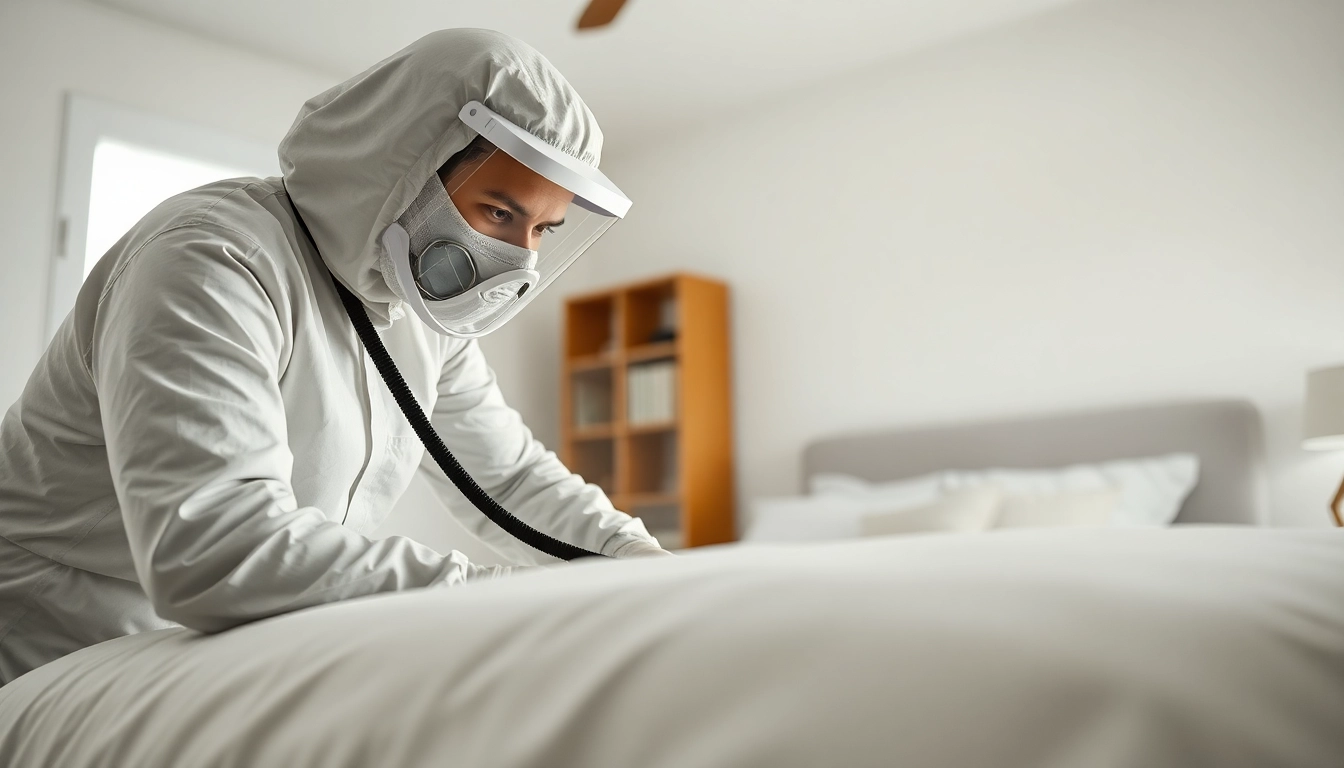
Understanding Bed Bug Removal
Bed bugs have become a serious problem for homeowners and renters alike, with infestations can emerge quickly and escalate easily. Understanding the bed bug removal process is essential to reclaiming your space effectively. This journey begins with recognizing what bed bugs are, identifying signs of their presence, and acknowledging the health risks that accompany an infestation.
What are Bed Bugs?
Bed bugs (Cimex lectularius) are small, brownish insects that feed on the blood of humans and animals. Measuring about 5 to 7 mm in length, they are about the size of an apple seed. These nocturnal pests are notoriously challenging to detect due to their flattened bodies and ability to hide in crevices and cracks when not feeding. Understanding their biology and behavior will provide crucial insights into effective removal strategies.
Signs of Bed Bug Infestation
Detecting a bed bug infestation early can greatly enhance your chances for successful eradication. Look for the following signs:
- Physical Sightings: Bed bugs can often be found in mattress seams, box springs, and furniture.
- Eggs and Shells: Bed bugs lay tiny, pearly white eggs that can be found in clusters.
- Blood Stains: Small red or brown spots on sheets or mattresses may indicate recent feeding.
- Excrement: Dark spots on bedding or nearby areas signify bed bug droppings.
Regular inspection can help homeowners catch infestations early before they expand significantly.
Health Risks Associated with Bed Bugs
While bed bugs are not known to transmit diseases, their bites can cause discomfort and other health issues:
- Allergic Reactions: Some individuals may develop severe allergic reactions, leading to extensive itching and swelling.
- Infection: Scratching bites can lead to secondary infections through skin breaks.
- Psychological Effects: The stress and anxiety caused by insomnia and worrying about infestations can significantly affect mental health.
Recognizing these risks can emphasize the importance of prompt bed bug removal efforts.
Preparation for Bed Bug Removal
Readying your home for bed bug removal is crucial to ensure the effectiveness of treatment. Proper preparation can be the difference between persistent infestation and successful elimination.
Initial Steps Before Treatment
Before initiating bed bug removal, take the following initial steps:
- Identify the Scope: Conduct a thorough inspection of your living space to determine the extent of the infestation.
- Isolate Areas: Remove bedding and personal items from the affected room to reduce the chance of spreading bugs.
- Inform Neighbors: If you live in an apartment or townhouse, notify your neighbors to monitor their own spaces.
Cleaning and Decluttering Your Home
Cleaning is a pivotal part of the preparatory phase:
- Vacuum Thoroughly: Vacuum carpets, furniture, and other surfaces regularly to remove bed bugs and their eggs.
- Wash Fabrics: Utilize hot water and high heat in the dryer for bedding, curtains, and clothing to kill any bugs or eggs that may be hiding.
- Declutter: Remove unnecessary items from rooms, as clutter provides more hiding places for bed bugs.
Remember, cleaning alone may not eliminate the threat; it should be part of a broader removal strategy.
Assessing the Infestation Level
Understanding the severity of the infestation is necessary to determine the best course of action:
- Minimal Infestation: Often can be remedied with DIY methods.
- Moderate Infestation: Multiple rooms showing signs may require professional intervention.
- Severe Infestation: Involves extensive spread and likely necessitates multiple treatment approaches.
Contacting a pest control expert can provide insight into the best practices based on these assessments.
Professional vs. DIY Bed Bug Removal
When it comes to eliminating bed bugs, whether to use professional services or a DIY approach is a common dilemma:
When to Hire a Professional Exterminator
Certain conditions indicate that professional help is necessary:
- Severe Infestation: If the bed bugs have spread beyond the initial area.
- Ineffective DIY Attempts: If previous self-removal methods have failed.
- Time Constraints: Professionals can execute procedures quickly and effectively.
Professionals have the tools and knowledge to evaluate, treat, and monitor infestations, ensuring thorough removal.
DIY Methods for Bed Bug Removal
For smaller or initial infestations, some effective DIY methods include:
- Heat Treatment: Using steamers on infested areas can kill bed bugs quickly.
- Cold Treatment: Freezing items at 0°F (-18°C) for a week can be effective against bed bugs.
- Homemade Traps: Create traps using specific materials that lure and capture bed bugs.
However, be sure to monitor the situation closely, as DIY methods may not be as effective against larger populations.
Advantages and Disadvantages
Each approach has its pros and cons:
- Professional Services: Highly effective, though often come with a higher cost.
- DIY Methods: Cost-effective but may require more time and repeated efforts.
Choosing the right option often depends on individual circumstances and infestation severity.
Advanced Techniques for Bed Bug Removal
For comprehensive removal, advanced techniques may be utilized:
Heat Treatment for Bed Bug Elimination
Heat treatment is gaining popularity as an effective solution:
- High Temperatures: Bed bugs die when exposed to temperatures of 115°F (46°C) or higher.
- Whole-room Heating: Professionals use specialized equipment to heat entire rooms, reaching lethal temperatures.
This method is effective because it penetrates hard-to-reach areas and kills all life stages of the bed bug.
Chemical Solutions and Their Effectiveness
Chemicals can play an important role in treating bed bug infestations:
- Insecticides: Products labeled for bed bugs are crucial, but should be applied by professionals to ensure safety.
- Residual Treatments: Many chemicals can provide residual effects which stave off future infestations.
However, improper use can lead to resistance, making future eradication efforts more difficult.
Monitoring and Preventing Reinfestation
After treatment, monitoring becomes vital:
- Follow-Up Inspections: Check for any signs of bed bugs in the following weeks and months.
- Preventative Measures: Use bed bug interceptors and mattress encasements to deter future infestations.
Persistent vigilance is essential for long-term success in bed bug management.
FAQs About Bed Bug Removal
How long does bed bug removal take?
The duration of bed bug removal varies by severity, but full treatment processes can take several weeks to months.
Are bed bugs harmful to my health?
Bed bugs are not disease carriers, but their bites can cause allergic reactions and psychological distress.
What should I do if I find a bed bug?
If you find a bed bug, isolate the area, avoid spreading them, and initiate an inspection to determine the infestation level.
How much does bed bug removal cost?
Costs vary widely based on infestation severity and treatment methods, ranging from hundreds to thousands of dollars.
Can I prevent bed bugs from coming back?
Preventing reinfestation involves monitoring pets, using protective encasements, and maintaining cleanliness in your home.