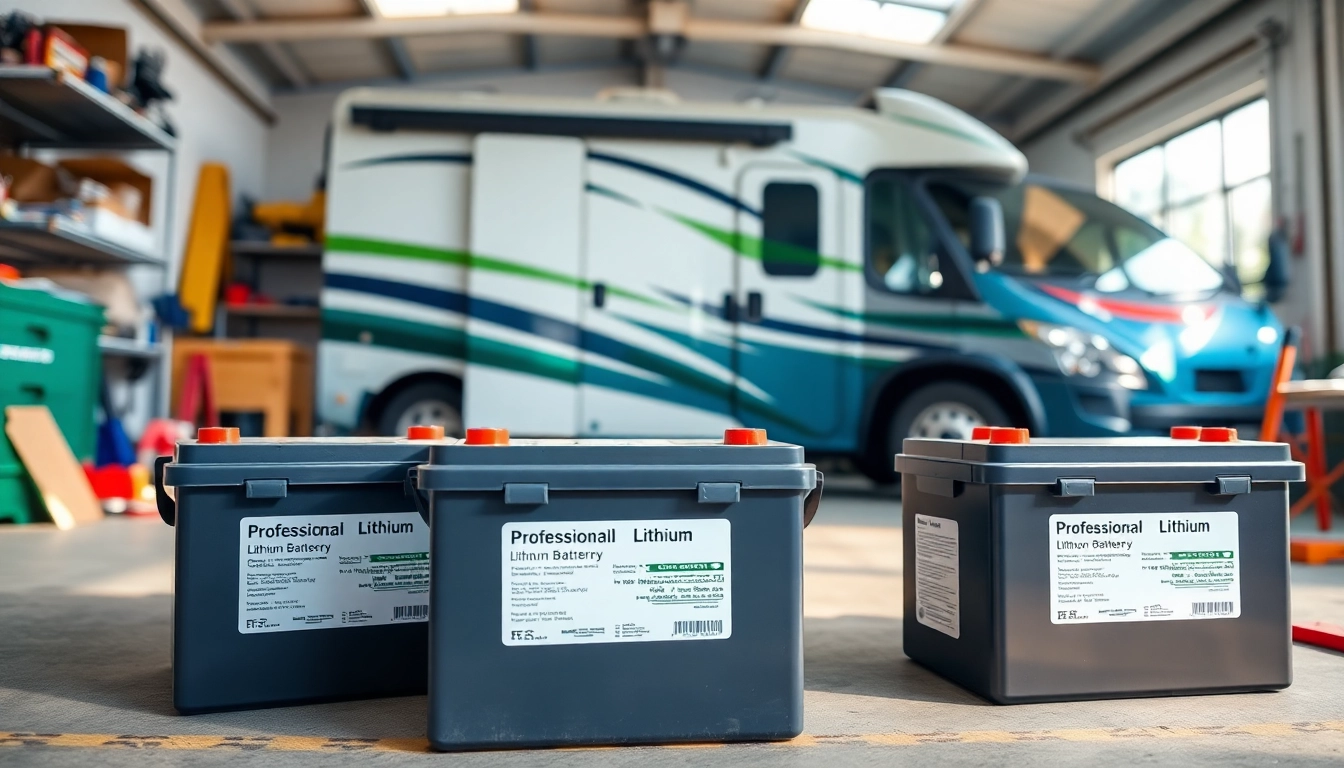
Introduction to Lithium RV Batteries
In the world of recreational vehicles (RVs), having a reliable power source is crucial for any adventure. Lithium RV batteries have emerged as a superior alternative to traditional lead-acid batteries. Their increasing popularity among RV enthusiasts can be attributed to their efficiency, longevity, and numerous benefits they provide. Let's delve deeper into what makes lithium RV batteries stand out in the realm of portable power solutions.
What Are Lithium RV Batteries?
Lithium RV batteries primarily refer to lithium-ion and lithium iron phosphate (LiFePO4) batteries specially designed for use in recreational vehicles. Unlike traditional batteries that employ lead-acid technology, lithium batteries utilize lithium compounds as the main active material, leading to advancements in safety, performance, and energy efficiency. These batteries possess a higher energy density, allowing RV owners to store more energy in a smaller and lighter package.
Benefits of Switching to Lithium RV Batteries
The advantages of upgrading to lithium RV batteries are numerous and compelling. Here are some primary benefits:
- Longer Lifespan: Most lithium batteries have a lifespan of 10 to 15 years, significantly outlasting their lead-acid counterparts, which typically need replacement every 3 to 5 years.
- Faster Charging: Lithium batteries have a much faster charging capability. They can charge up to 90% in a couple of hours compared to lead-acid batteries, which may take up to 12 hours or more.
- Weight Savings: Weighing significantly less than lead-acid batteries, lithium batteries reduce the overall weight of the RV, improving fuel efficiency and handling.
- Depth of Discharge: Lithium batteries can be discharged to a much deeper level—up to 80-90%—compared to 50% for lead-acid batteries, providing more usable energy.
- Improved Safety: Lithium technology reduces the risk of explosion or fire, as these batteries don't vent gas and have built-in management systems for thermal protection.
Common Myths About Lithium RV Batteries Debunked
Despite their advantages, several myths surround Vatrer Power lithium RV batteries. Here are a few debunked:
- Myth 1: Lithium batteries are too expensive.
While the initial cost is higher, the lifespan and performance advantages lead to cost savings over time.
- Myth 2: Lithium batteries are too complicated for RV setups.
With growing availability, installation and integration with existing RV systems have become streamlined and user-friendly.
- Myth 3: They’re not suitable for extreme temperatures.
Modern lithium batteries are designed to perform in a range of temperatures and often come with built-in heating systems for cold conditions.
Performance Features of Lithium RV Batteries
Capacity and Discharge Rates
The capacity of 12V 300Ah Lithium Battery typically ranges from 100Ah to 500Ah, providing ample energy for a wide variety of devices commonly used in RVs. This energy can be used for running appliances, lights, and more without the fear of battery failure. Additionally, lithium batteries support high discharge rates, enabling them to power demanding devices such as air conditioners or heating systems without voltage drop.
Charging Time and Efficiency
One of the key advantages of lithium batteries is their rapid charge time. Depending on the charger and conditions, a lithium battery can reach up to 90% charge in under two hours. This efficiency not only saves time but also maximizes the available energy during longer trips or when relying on solar panels.
Longevity and Lifespan Comparison
Lithium RV batteries are designed for long cycles, often allowing for thousands of complete charge cycles—typically between 2000-5000 before reaching 80% capacity. In contrast, traditional lead-acid batteries might only deliver 300-500 cycles, making lithium a more economical choice over time.
Installation Guide for Lithium RV Batteries
Tools Required for Installation
Installing lithium RV batteries requires some basic tools and materials. Gather the following:
- Socket set and wrenches
- Wire strippers and connectors
- Multimeter for voltage testing
- Mounting hardware (brackets or straps)
- Appropriate fuses or breakers to protect the system
Safety Precautions During Installation
Safety should be a priority when installing lithium RV batteries. Follow these precautions:
- Disconnect your RV from any power source before beginning work.
- Wear gloves and safety goggles to protect against battery acid or accidental shorts.
- Work in a well-ventilated area to minimize the risk of gas buildup.
- Follow the manufacturers' guidelines for installation to ensure proper configuration and safety.
Step-by-Step Installation Process
To install lithium RV batteries, follow these streamlined steps:
- Remove the old battery: Carefully disconnect and remove your existing battery from its mounting location.
- Check connections: Inspect all connections for wear and corrosion, especially battery cables, before installing the new battery.
- Mount the lithium battery: Securely place the new lithium battery in the designated compartment using brackets or straps as needed.
- Connect wires: Connect the positive (+) terminal first, followed by the negative (-) terminal. Ensure all connections are tight and secure.
- Install a battery monitor: Consider installing a battery management system for better performance tracking.
- Test the system: Use a multimeter to ensure proper voltage and connections before powering on your RV.
Comparing Lithium RV Batteries with Lead-Acid Options
Cost Analysis Over Time
While the initial purchase price of lithium RV batteries may be higher, evaluating their lifetime costs shows a different picture. Considering their significantly longer lifespan and fewer replacements, lithium batteries can be more cost-effective over the long haul. When comparing total ownership costs, including purchase, lifespan, and maintenance, lithium solutions often prove to be more economical.
Weight and Space Considerations
Weight can greatly influence RV performance and handling. Lithium batteries are substantially lighter than lead-acid batteries, enabling better weight distribution and fuel efficiency. Additionally, their compact size allows for flexible installation options within an RV, making it easier to optimize available space.
Environmental Impact and Sustainability
As sustainability becomes a pressing concern, lithium batteries offer several environmental benefits. They are recyclable and lead-free, reducing toxic waste compared to lead-acid options. Additionally, as lithium batteries have a longer lifespan, they contribute to less landfill waste over time.
FAQs About Lithium RV Batteries
Are lithium batteries worth it for an RV?
Yes, especially for frequent users. They offer a longer lifespan, higher usable capacity, and greater efficiency, often translating into cost savings over time.
How long do lithium RV batteries last?
Typically, lithium RV batteries last from 10 to 15 years depending on usage and conditions, significantly longer than lead-acid batteries.
Can I use lithium batteries in my existing RV system?
Yes, but it's essential to ensure compatibility with your existing system or consult with a professional for the best integration.
What is the optimal temperature for lithium RV batteries?
The optimal operating range for lithium batteries is generally between 32°F to 113°F (0°C to 45°C). Cold temperatures can affect performance.
How do I maintain my lithium RV batteries?
Regularly monitor battery levels, avoid complete discharges, and keep connections clean. Consider a management system for optimal performance.