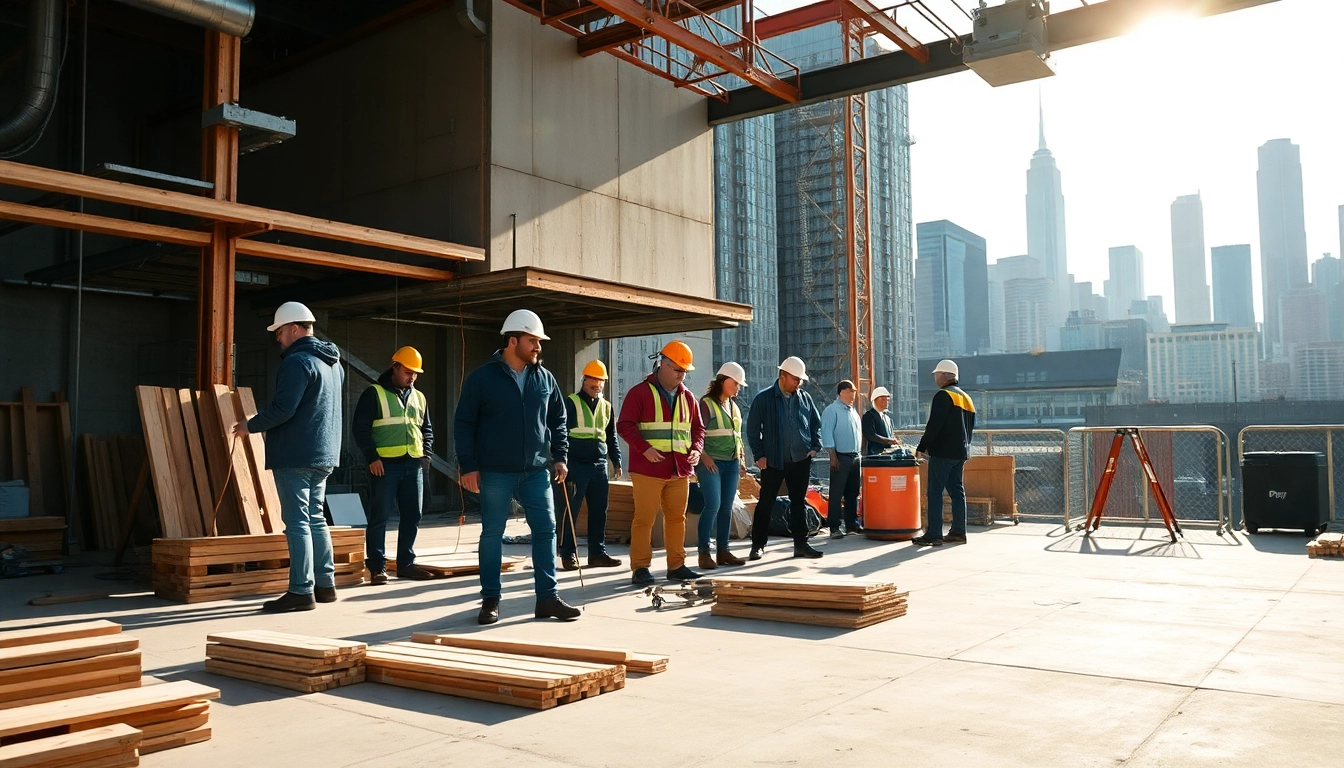
Understanding the Role of a Manhattan Commercial General Contractor
What is a Commercial General Contractor?
A commercial general contractor is a professional responsible for overseeing construction projects in the commercial sector. They manage all aspects of the project, including planning, coordination, and execution. Hiring a Manhattan Commercial General Contractor can significantly streamline the construction process, ensuring that projects are completed on time, within budget, and to the required specifications. These contractors serve as the main point of contact for clients and are crucial in managing subcontractors and construction teams.
Importance of General Contractors in Business Construction
General contractors play a pivotal role in commercial construction due to their ability to bring together various elements of a project. They handle not only the construction but also essential tasks such as obtaining permits, ensuring compliance with local codes, and facilitating communication among all stakeholders. This streamlining of responsibilities saves businesses time and reduces the likelihood of mismanagement, ultimately leading to successful project delivery. Additionally, they often have established relationships with subcontractors and suppliers, which can result in better pricing and resources for projects.
Key Responsibilities of Manhattan Commercial General Contractors
The primary responsibilities of a Manhattan commercial general contractor encompass a wide range of tasks:
- Project Planning and Management: They develop the overall project plan, scope, and timeline, ensuring every aspect is accounted for from start to finish.
- Budget Management: Contractors create and adhere to budgets, tracking expenses and adjusting plans as necessary to avoid cost overruns.
- Team Coordination: They manage all personnel involved in the project, including subcontractors, laborers, and supply vendors, ensuring smooth communication and workflow.
- Compliance and Safety: General contractors ensure all work complies with local regulations, safety standards, and building codes.
- Quality Control: They oversee the quality of work performed to maintain industry standards and client expectations throughout the project lifecycle.
Choosing the Right Manhattan Commercial General Contractor for Your Project
Criteria for Selecting a Commercial Contractor
Selecting the right general contractor is critical to the success of your project. When evaluating potential candidates, consider the following criteria:
- Experience and Expertise: Look for contractors with relevant experience in your specific type of project (e.g., retail, office space, or mixed-use developments).
- Reputation: Research reviews, testimonials, and previous project outcomes to assess the contractor's reliability and professionalism.
- Licensing and Insurance: Ensure the contractor is licensed to operate in New York and carries the necessary insurance to protect against liabilities.
- Communication: Effective communication is vital. Choose a contractor who is responsive and transparent in their dealings.
- Financial Stability: A financially sound contractor is more likely to complete the project without delays or disruptions due to financial issues.
Evaluating Project Portfolios and Reviews
Reviewing a contractor's portfolio is essential in determining their capability and style. Focus on the following aspects:
- Diversity of Projects: Examine the variety of projects they’ve completed. A diverse portfolio can indicate versatility and creativity in handling different construction challenges.
- Quality of Work: Look for examples of craftsmanship and attention to detail. High-quality photos and testimonials can provide insights into their standards.
- Client Feedback: Reach out to previous clients to gather feedback on their experience, highlighting strengths and any challenges faced during the project.
Questions to Ask Before Hiring
Before finalizing your decision, asking the right questions can provide deeper insights into a contractor's operational style and expertise. Consider these inquiries:
- What is your typical project timeline, and how do you handle delays?
- Can you provide detailed project estimates and breakdowns?
- How do you manage changes in project scope or client requests?
- What measures do you take to ensure the safety of the worksite?
- How frequently will communication occur throughout the project?
Services Offered by Manhattan Commercial General Contractors
Renovations and Upgrades
Renovations and upgrades are significant aspects of commercial construction, especially in a dynamic market like Manhattan's. Contractors are skilled in transforming existing spaces to meet contemporary needs and aesthetics. This may include:
- Interior Redesign: Updating the interior layout and finishes to create a more functional and modern environment.
- Adaptive Reuse: Repurposing buildings for new uses while retaining historical significance.
- Sustainability Upgrades: Integrating energy-efficient systems and sustainable materials to improve performance and functionality.
New Construction and Site Development
New construction is a core function of a Manhattan commercial general contractor. They handle everything from site selection and development to the final touches of new builds. Key responsibilities include:
- Site Assessment: Evaluating potential construction sites to determine feasibility and compliance with zoning laws.
- Design Collaboration: Working with architects and designers to realize the vision for the project.
- Construction Management: Supervising day-to-day activities on the construction site to ensure proper execution and adherence to timelines.
Specialized Commercial Projects
Some contractors specialize in particular types of commercial projects, such as:
- Retail Spaces: Creating attractive and functional environments for retail businesses that enhance customer experiences.
- Office Buildings: Designing and constructing offices that foster collaboration and productivity.
- Restaurants and Hospitality: Developing spaces that balance functionality and ambiance to attract customers in the service industry.
Best Practices for Working with Your Contractor
Establishing Clear Communication Channels
Effective communication is vital for a successful construction project. Implement best practices such as:
- Regular Meetings: Schedule routine check-ins to discuss progress, challenges, and upcoming tasks.
- Written Documentation: Maintain records of all decisions, changes, and agreements to avoid misunderstandings.
- Open Feedback Loop: Encourage open dialogue about concerns or suggestions to foster a collaborative atmosphere.
Setting Budget Expectations
Budget management is crucial in commercial construction. To maintain budgetary control:
- Detail Estimates: Request thorough cost estimates that cover all aspects of the project, including labor, materials, and contingencies.
- Monitor Expenses: Regularly review expenditure reports to identify any discrepancies or areas of concern.
- Contingency Planning: Allocate a portion of the budget for unexpected costs to safeguard against surprises.
Timeline Management and Scheduling
Establishing and adhering to a project timeline is fundamental to project success. Consider these strategies:
- Detailed Scheduling: Collaborate with your contractor to develop a comprehensive timeline that includes milestones.
- Track Progress: Utilize project management tools to monitor task completion and keep the project on schedule.
- Adjust Plans: Be prepared to adjust schedules as necessary, and communicate openly about any changes or delays.
Frequently Asked Questions about Manhattan Commercial General Contractors
What should I expect during my first meeting with a contractor?
During the first meeting, expect to discuss your project goals, budget, and timelines. The contractor will gather information about your needs and outline their processes and services.
How can I verify a contractor's credentials and experience?
Verify credentials by checking licenses, insurance, and certifications. Request references from past clients to confirm their experience and reputation in handling similar projects.
Are estimates provided by contractors usually fixed?
Estimates may vary based on project scope and unexpected issues. Most contractors offer a preliminary budget that can adjust as more details are developed and revealed during planning.
What is the typical timeline for a commercial construction project?
The timeline varies widely depending on project size and complexity. Generally, smaller projects take a few months, while larger ones can span a year or more. A detailed plan from your contractor will clarify expectations.
How do I manage changes during the construction process?
Managing changes requires clear communication with your contractor. Ensure all changes are documented and agreed upon to maintain project integrity and prevent budget issues.