
Introduction
Hydroelectricity is a cornerstone of renewable energy development, providing reliable, clean, and scalable power generation for national grids and industrial demand. As global energy needs increase, Hydroelectricity projects are becoming larger and more complex, requiring advanced planning, engineering precision, and strict financial control. Large-scale Hydroelectricity construction involves significant investment and technical coordination, making risk and cost management essential to project success. At Skye Design Construct NZ, Hydroelectricity Construction Risk and Cost Management Services are designed to ensure that every Hydroelectricity project is delivered safely, efficiently, and within budget. Hydroelectricity infrastructure must withstand environmental pressures, engineering challenges, and financial constraints, making structured management systems critical throughout the construction lifecycle.
Understanding Hydroelectricity Construction Complexity
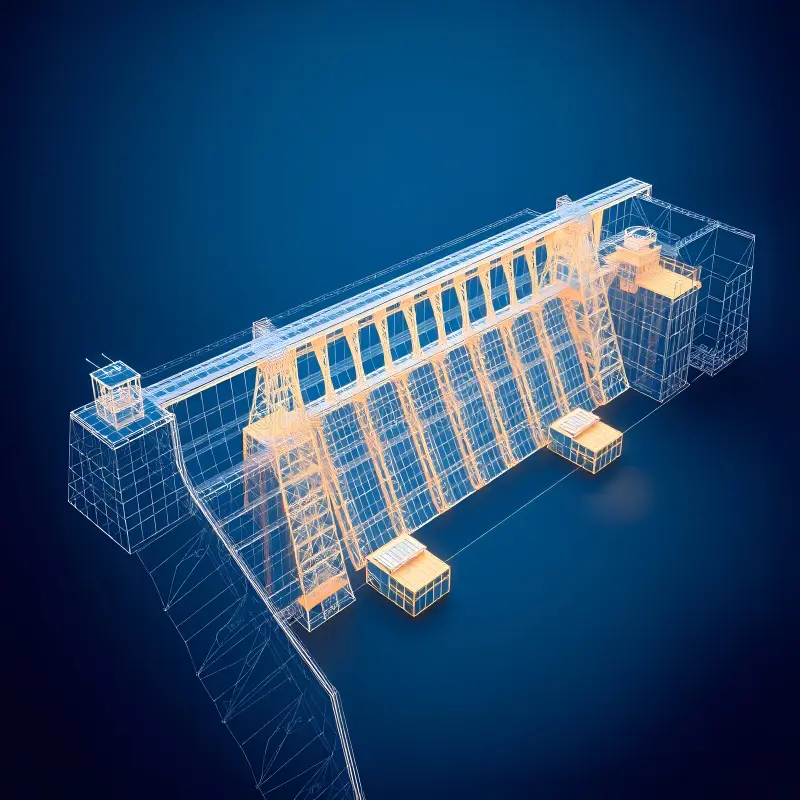
Hydroelectricity construction is one of the most complex forms of infrastructure development due to its interaction with natural water systems, geological conditions, and large-scale civil engineering requirements. Hydroelectricity projects typically involve dams, reservoirs, turbines, spillways, and powerhouses, all of which must be carefully coordinated.
Hydroelectricity construction projects often take several years to complete and require significant capital investment. Hydroelectricity risk factors such as flooding, structural instability, and environmental disruption must be carefully managed from the earliest stages. Hydroelectricity cost control is equally important, as delays or design changes can significantly impact project budgets.
Hydroelectricity construction risk and cost management services ensure that these challenges are addressed through structured planning, continuous monitoring, and expert engineering oversight.
Hydroelectricity Risk Management in Construction
Hydroelectricity projects face a wide range of risks that must be managed throughout the construction process. Hydroelectricity risk management involves identifying, analyzing, and mitigating potential threats that could impact project delivery.
One of the primary Hydroelectricity risks is geological instability. Hydroelectricity construction often takes place in mountainous or riverine environments where soil conditions and seismic activity must be carefully assessed. Hydroelectricity engineers conduct detailed geotechnical studies to minimize structural risks.
Hydroelectricity weather-related risks are also significant. Heavy rainfall, flooding, and seasonal water fluctuations can disrupt Hydroelectricity construction schedules. Hydroelectricity risk management strategies include contingency planning and adaptive construction scheduling.
Hydroelectricity environmental risks must also be considered. Construction activities can impact aquatic ecosystems, water quality, and biodiversity. Hydroelectricity risk management ensures compliance with environmental regulations and incorporates mitigation measures such as controlled water diversion and habitat protection.
At Skye Design Construct NZ, Hydroelectricity risk management services are integrated into every stage of construction planning to ensure safe and sustainable project execution.
Hydroelectricity Cost Management and Budget Control
Hydroelectricity construction projects require substantial financial investment, making cost management a critical component of project success. Hydroelectricity cost management involves planning, estimating, monitoring, and controlling all project-related expenses.
Hydroelectricity cost estimation begins during the feasibility phase, where engineers and financial analysts evaluate materials, labor, equipment, and environmental compliance costs. Hydroelectricity projects must account for long-term operational expenses as well as initial construction costs.
Hydroelectricity budget control ensures that spending remains aligned with project goals. Unexpected changes in design, material prices, or construction timelines can significantly impact Hydroelectricity budgets. Effective Hydroelectricity cost management helps prevent overruns and ensures financial efficiency.
Hydroelectricity procurement strategies also play a key role in cost control. By sourcing materials and services efficiently, Hydroelectricity projects can reduce unnecessary expenses while maintaining quality standards.
Hydroelectricity Construction Planning and Scheduling
Hydroelectricity construction requires detailed planning and scheduling to ensure efficient project execution. Hydroelectricity construction planning involves sequencing activities such as excavation, dam construction, turbine installation, and electrical integration.
Hydroelectricity scheduling must account for environmental conditions, resource availability, and technical dependencies. Delays in one phase of Hydroelectricity construction can impact the entire project timeline.
Hydroelectricity project managers use advanced scheduling tools to coordinate multiple teams and contractors. Hydroelectricity planning also includes risk-based scheduling to account for potential disruptions.
Hydroelectricity construction planning ensures that all phases of development are completed efficiently and in the correct sequence, minimizing delays and cost increases.
Hydroelectricity Engineering and Quality Control
Hydroelectricity engineering quality is essential for ensuring long-term performance and safety. Hydroelectricity construction must meet strict engineering standards to withstand water pressure, environmental stress, and operational demands.
Hydroelectricity quality control involves continuous inspection of materials, construction methods, and structural integrity. Hydroelectricity engineers conduct site inspections and testing to ensure compliance with design specifications.
Hydroelectricity turbine installation requires precise engineering alignment to maximize energy efficiency. Hydroelectricity structural components must also be tested for durability and safety.
At Skye Design Construct NZ, Hydroelectricity engineering oversight ensures that all construction activities meet international standards of quality and performance.
Hydroelectricity Financial Risk Assessment
Hydroelectricity financial risk assessment is a key part of cost management services. Hydroelectricity projects involve long-term investments, and financial risks must be carefully evaluated to ensure viability.
Hydroelectricity financial risks include cost overruns, funding delays, currency fluctuations, and market demand changes. Hydroelectricity consultants assess these risks during the planning phase and develop mitigation strategies.
Hydroelectricity return on investment (ROI) analysis helps determine the long-term financial sustainability of a project. Hydroelectricity cost management services ensure that financial planning aligns with energy production forecasts.
Hydroelectricity Supply Chain and Resource Management
Hydroelectricity construction depends on a complex supply chain involving materials, equipment, and skilled labor. Hydroelectricity supply chain management ensures that resources are delivered on time and within budget.
Hydroelectricity materials such as steel, concrete, and turbine components must meet strict quality standards. Delays in Hydroelectricity supply chains can significantly impact construction timelines and costs.
Hydroelectricity resource management also includes workforce planning. Skilled engineers, technicians, and construction workers are essential for successful Hydroelectricity project delivery.
Hydroelectricity Environmental and Regulatory Compliance
Hydroelectricity construction must comply with environmental regulations and government policies. Hydroelectricity risk management services ensure that all legal requirements are met throughout the construction process.
Hydroelectricity environmental compliance includes water usage permits, ecological impact assessments, and sustainability reporting. Hydroelectricity projects must demonstrate minimal environmental disruption to gain approval.
Hydroelectricity regulatory compliance also involves coordination with government agencies and local communities. Transparent communication ensures smoother project approval and execution.
Hydroelectricity Technology in Risk and Cost Management
Modern Hydroelectricity construction projects increasingly rely on advanced technology to improve risk and cost management. Hydroelectricity digital modelling tools allow engineers to simulate construction scenarios and predict potential risks.
Hydroelectricity project management software helps track budgets, schedules, and resource allocation in real time. Hydroelectricity monitoring systems provide continuous data on construction progress and environmental conditions.
Hydroelectricity automation and AI-based analytics improve decision-making and reduce human error. These technologies enhance the efficiency of Hydroelectricity construction risk and cost management services.
Hydroelectricity Long-Term Operational Considerations
Hydroelectricity construction does not end with project completion. Hydroelectricity infrastructure requires long-term maintenance and operational planning to ensure continued efficiency.
Hydroelectricity lifecycle cost management considers maintenance, upgrades, and operational expenses over the project’s lifespan. Hydroelectricity risk management continues into the operational phase to ensure safety and performance.
Hydroelectricity long-term planning ensures that infrastructure remains reliable and economically viable for decades.
Conclusion
Hydroelectricity construction risk and cost management services are essential for delivering successful large-scale renewable energy projects. Hydroelectricity involves complex engineering, significant financial investment, and strict environmental requirements, making structured management systems critical at every stage of development. Through effective Hydroelectricity risk identification, financial planning, engineering oversight, and technological integration, projects can be completed safely, efficiently, and within budget. At Skye Design Construct NZ, Hydroelectricity construction expertise ensures that risks are minimized, costs are controlled, and project outcomes are optimized, supporting the sustainable growth of Hydroelectricity infrastructure and reinforcing its role as a vital source of clean energy for the future.