The Art of Crafting Authentic Italian Pasta
Italian pasta is not just a dish; it is a cultural symbol that embodies the richness of Italy’s culinary traditions. From the rolling hills of Tuscany to the coastal villages of Sicily, each region has its unique way of crafting pasta, using methods passed down through generations. The love for pasta transcends mere sustenance—it's a celebration of family, heritage, and a way of life. In this article, we will delve into the intricate world of authentic Italian pasta, understanding its origins, exploring the varieties it offers, and learning the techniques that make it truly special. When exploring options, Italian Pasta provides comprehensive insights into artisanal products that embody these traditions.
Understanding the Origins of Italian Pasta
The history of pasta in Italy dates back over 2,000 years, tracing its origins to ancient civilizations such as the Etruscans and Romans. Initially, it was a simple dish made from flour and water, often shaped and dried for convenience. However, as the centuries progressed, pasta evolved into an art form with various shapes and sauces that reflect local cuisine. Regions such as Emilia-Romagna are renowned for their egg pasta, while regions like Apulia are famous for orecchiette.
Traditional Techniques for Making Pasta
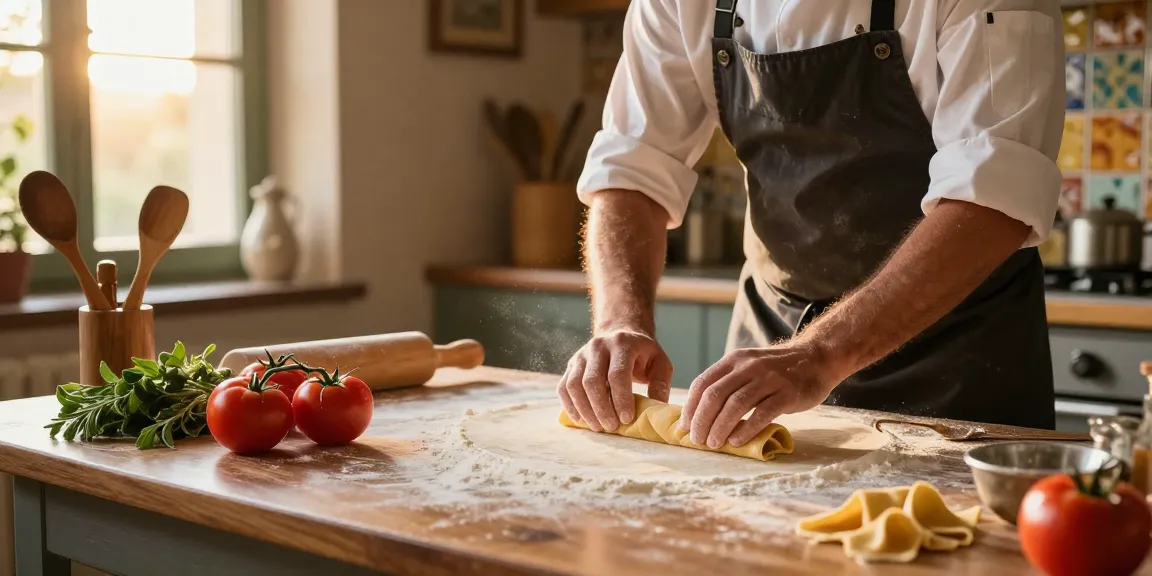
Crafting pasta by hand is an age-old tradition that requires skill and patience. The first step begins with selecting high-quality flour, typically semolina from durum wheat, which gives pasta its characteristic texture. Traditional techniques involve kneading the dough until it is smooth and elastic. Once rested, it is rolled out into thin sheets or shaped into various forms like tagliatelle or ravioli. Understanding the significance of each step in this process is crucial for any pasta maker.
Popular Types of Italian Pasta
Pasta Varieties from Different Regions of Italy
Italy boasts a staggering diversity of pasta varieties. Some of the most popular include:
- Spaghetti: A long, thin noodle often paired with light sauces like aglio e olio.
- Penne: Short, cylindrical pasta that works well with thicker sauces.
- Farfalle: Butterfly-shaped pasta, perfect for salads and lighter dishes.
- Fettuccine: Flat ribbons that are traditionally served with creamy sauces such as Alfredo.
Pairing Pasta with the Right Sauces
The joy of Italian cuisine lies in the perfect pairing of pasta with sauces that enhance its flavor. Typically, the shape of the pasta determines the sauce it will be paired with. For instance, lighter sauces suit long pasta varieties, while thicker sauces are best with short and ridged pasta. Common sauce types include:
- Tomato Sauce: A classic, versatile option found in countless dishes.
- Pesto: A fresh, herb-based sauce that complements pasta like trofie.
- Alfredo: A rich cream sauce that clings beautifully to fettuccine.
Health Benefits of Whole Grain and Homemade Pasta
Whole grain pasta offers several health benefits compared to its refined counterparts, including higher fiber content and more nutrients. Additionally, making pasta at home allows for the use of organic ingredients and customized flavors. It is also a fun and engaging activity that can be shared with family, reinforcing bonds over a shared culinary experience.
Cooking Techniques for Perfect Italian Pasta
Common Mistakes When Cooking Pasta
Despite its seemingly simple preparation, there are common pitfalls to avoid when cooking pasta. One prevalent mistake is not salting the water adequately; it should taste like the sea to enhance the pasta’s flavor. Additionally, adding oil to the cooking water can prevent sauce from adhering later. Always remember to cook pasta until it reaches 'al dente,' or firm to the bite, which allows for the best texture.
Tips for Achieving the Right Texture and Flavor
To achieve the perfect texture, consider the following tips:
- Use a large pot of water to ensure the pasta cooks evenly.
- Stir the pasta occasionally to prevent sticking.
- Reserve a cup of pasta water before draining; it can be used to adjust the consistency of the sauce.
Innovative Cooking Methods for Italian Pasta
As culinary arts evolve, cooks are exploring innovative methods to prepare pasta. Techniques such as sous vide cooking and using air fryers have gained popularity, allowing for unique textures and flavors while maintaining traditional recipes' integrity. Experimenting with different cooking methods can lead to delightful discoveries in pasta preparation.
Pasta in Italian Culture and Traditions
Cuisine's Role in Family Gatherings and Celebrations
Pasta is integral to Italian family gatherings, with traditional dishes often serving as the centerpiece for celebrations. From Sunday family dinners to festive occasions, pasta signifies togetherness and love. Recipes are often passed down through generations, imbuing each dish with a sense of history and familial pride.
Regional Festivals Celebrating Pasta
Italy hosts numerous festivals celebrating pasta, where locals showcase regional specialities and cooking techniques. Events like the Sagra della Pasta in various towns highlight the cultural significance of pasta in Italian life and allow visitors to sample a wide range of culinary delights.
Influence of Italian Pasta in Global Cuisine
Italian pasta has transcended its national borders and made a significant impact on global cuisine. It has been embraced worldwide, often adapted to local ingredients and tastes. This adaptability allows for endless creativity, making pasta a beloved dish in various international menus.
Modern Trends in Pasta Consumption
Embracing Plant-Based Pasta Options
With the rise of dietary preferences such as veganism and gluten-free diets, many brands are now producing plant-based pasta options made from ingredients like chickpeas, lentils, and zucchini. These alternatives provide options for health-conscious consumers while still delivering the beloved flavors of traditional pasta.
Kitchen Gadgets for the Home Pasta Maker
Modern kitchen gadgets have revolutionized the way pasta is made at home. Devices like pasta makers, which automate the rolling and cutting process, save time and effort while ensuring consistent results. Additionally, silicone molds for shaping ravioli and gnocchi make it easy for novices to explore the art of pasta-making.
The Future of Italian Pasta in Culinary Arts (2026 and Beyond)
As we look ahead, the future of Italian pasta remains bright. Innovations in sustainable practices and ingredient sourcing are becoming increasingly important. Chefs and home cooks alike are discovering the joys of local, organic ingredients that honor traditional recipes while embracing modern tastes and health trends. With pasta continually evolving, its essence—rooted in Italian culture—will undoubtedly persist.
What are the best sauces for Italian pasta?
The best sauces for Italian pasta depend on the type of pasta being used. Tomato-based sauces, cream sauces, and pestos are all popular choices, each enhancing different pasta shapes uniquely.
How can I make gluten-free Italian pasta?
Gluten-free Italian pasta can be made using alternative flours such as rice, corn, or quinoa flour. Many recipes are available that guide you through the process, ensuring a delicious outcome.
What is the history of pasta in Italy?
The history of pasta in Italy dates back to ancient times, evolving from simple flatbreads to the multitude of varieties we see today, significantly impacted by cultural and regional influences.
How do I store homemade pasta?
Homemade pasta should be dried on a floured surface or stored in an airtight container in the refrigerator for up to two days. For longer storage, it can be frozen, ensuring it remains fresh when you're ready to cook.
What are the nutritional benefits of Italian pasta?
Italian pasta can be a good source of carbohydrates, providing energy. Whole grain pasta is also high in fiber, vitamins, and minerals, making it a nutritious addition to a balanced diet.