Understanding the Importance of edmonton web design
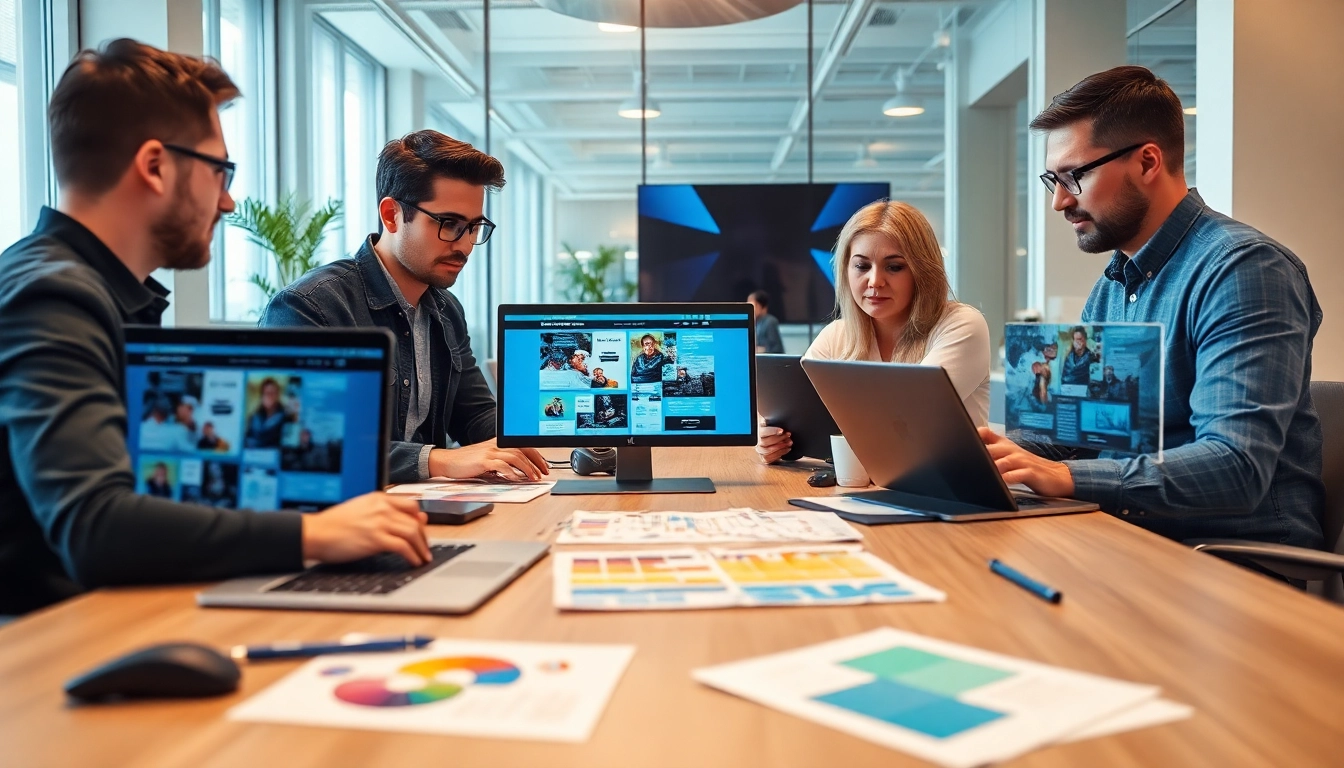
In today's digital landscape, effective web design is crucial for any business aiming to establish a strong online presence. edmonton web design plays a vital role in this process, as it combines aesthetics, functionality, and branding to create an engaging user experience for visitors. A well-designed website not only communicates your brand's message but also encourages user interaction, leading to higher conversion rates and customer loyalty.
The Role of User Experience
User experience (UX) is at the heart of effective web design. It encompasses how users interact with your website, including their journey from landing on the homepage to completing a purchase. A positive UX is crucial, as it can significantly impact your site's bounce rates and overall customer satisfaction. Web design prioritizing UX involves intuitive navigation, fast-loading pages, and compelling visuals that resonate with your target audience.
Key Elements of Effective Web Design
Effective web design comprises several key elements, including:
- Responsive Design: Ensures your site looks good on all devices, from desktops to mobile phones.
- Aesthetics: The visual appeal of your site impacts first impressions; utilize color schemes, typography, and images effectively.
- Content: High-quality, relevant content strengthens your message and assists in SEO efforts.
- Functionality: Every feature on your website should work flawlessly, from buttons to forms.
Local Market Trends in Edmonton
Understanding local market trends in Edmonton is essential for crafting a website that resonates with the community. With the rise of mobile usage, many users expect mobile-friendly sites. Additionally, embracing local imagery and cultural references within your design can appeal to Edmonton’s diverse population, enhancing relatability and engagement with your audience.
Best Practices in edmonton web design
Implementing best practices in edmonton web design is vital to stand out in a competitive digital landscape. Following established guidelines ensures a coherent approach while innovating to keep users engaged.
Responsive and Mobile-Friendly Designs
With a growing number of users accessing the internet via mobile devices, responsive design has become a non-negotiable aspect of web development. A responsive website automatically adjusts to different screen sizes, providing a seamless experience across devices. This involves not only flexible layouts but also ensuring images and videos adapt to various formats without losing quality.
Utilizing SEO in Web Design
SEO should be integrated into the web design phase rather than treated as an afterthought. To optimize for search engines, consider the following:
- Site Structure: Organize your content logically with clear headings and subheadings.
- Keyword Usage: Employ relevant keywords throughout your site to improve organic rankings.
- Meta Tags: Use appropriate meta tags to enhance visibility on search engines.
- Fast Loading Times: Optimize images and hosting to ensure quick page loads, improving user retention.
Incorporating Branding Effectively
Your brand identity should be consistently reflected across all aspects of your website. This includes the visual elements such as color schemes, logos, and graphics, as well as the tone of voice used in the content. A cohesive brand presence builds trust and recognition among users. Use your website to relay your unique value proposition and what distinguishes you from competitors.
Common Challenges in edmonton web design
Despite having a clear vision for your website, challenges can arise during the design process. Addressing these head-on can lead to more efficient workflow and better end results.
Balancing Aesthetics and Functionality
One of the most significant challenges in web design is finding the right balance between aesthetics and functionality. While attractive designs draw users in, it’s paramount that they can navigate and utilize the site without confusion. Use A/B testing to determine which designs resonate best with your audience, ensuring functionality is never sacrificed for style.
Keeping Up with Technology Trends
The digital landscape evolves rapidly, and staying current with technology and design trends is crucial. This can include everything from adopting new frameworks to understanding emerging design principles. Regularly review industry news and engage with design communities to stay informed about the latest best practices and tools that can enhance your web design.
Addressing Performance Metrics
Monitoring the performance of your website is essential for identifying areas of improvement. Utilize analytics tools to track key performance indicators (KPIs) such as bounce rates, conversion rates, and user engagement time. Analyzing this data allows you to make informed decisions about what adjustments need to be made to optimize user experience further.
Tools and Technologies for Optimal edmonton web design
Choosing the right tools and technologies is fundamental to successful web design. The right software and resources can make the design process smoother and more efficient.
Choosing the Right Web Design Software
Selecting web design software depends on your specific requirements and expertise. Popular choices include:
- Adobe XD: Excellent for prototyping designs and wireframing.
- Sketch: Favoured for its intuitive interface and vector-based graphics.
- Figma: A web-based tool perfect for collaboration among design teams.
Utilizing Plugins and Resources
Add-on tools and plugins can enhance your website’s functionality. Look for options that assist with SEO, user interaction, and social media integration. For example, plugins like Yoast SEO can help optimize your content as you create it, while interactive tools can increase user engagement through quizzes or chat features.
Collaborative Tools for Designers
Web design is often a collaborative process requiring effective communication among team members. Utilize project management and collaboration tools like Trello, Asana, or Slack to keep workflows organized and facilitate real-time communication. Sharing feedback and ideas quickly helps in maintaining project momentum.
FAQs About edmonton web design
What is edmonton web design?
Edmonton web design refers to the art and practice of creating websites specific to the needs of businesses and users in Edmonton.
Why is user experience important in web design?
User experience ensures visitors have a seamless experience, leading to higher engagement and conversion rates.
How do local trends affect web design?
Local trends influence aesthetic choices, user preferences, and the overall approach to meet market demands.
What are essential tools for web design?
Tools like Adobe XD, Sketch, and Figma help in creating and prototyping engaging web designs.
How can SEO be integrated into web design?
Incorporate SEO by optimizing site structure, using relevant keywords and meta tags, and ensuring fast loading times.
Contact Information
Call Us: (780) 475-7545Email: [email protected]Address: TD Tower Suite 2501, 10088 - 102 Ave Edmonton, AB T5J 2Z1