
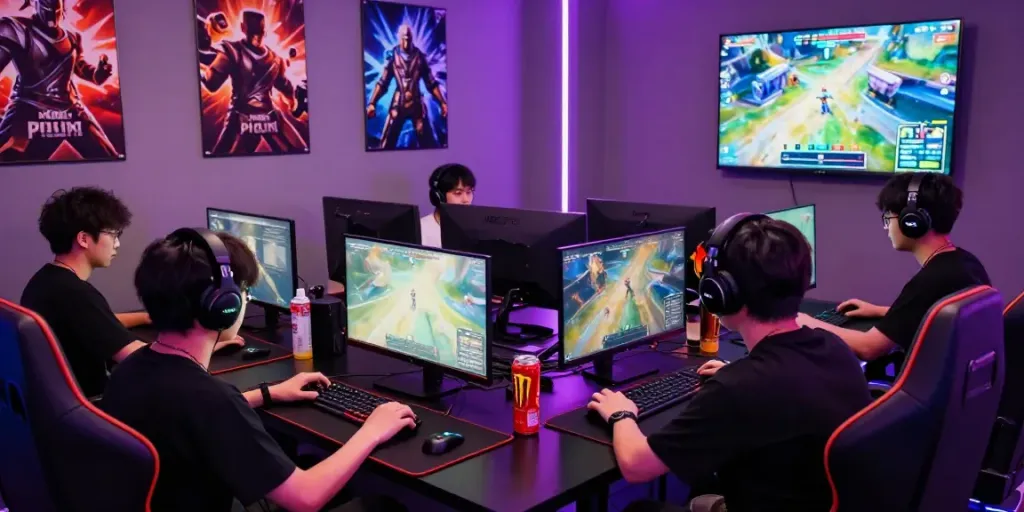
Understanding Multiplayer Gaming Preferences
Choosing the right multiplayer game can significantly enhance the gaming experience, especially when playing with friends. Multiplayer games allow players to forge connections, strategize in real-time, and engage in friendly competition. With a myriad of options available, from battle royales like PUBG to tactical shooters like Valorant, the selection process can be overwhelming. Understanding the preferences and interests of your group is essential to ensure everyone enjoys the gaming session. When exploring options, mild88 offers valuable insights into the best multiplayer games suited for various tastes.
What Makes a Game Multiplayer?
A game is labeled as multiplayer when it allows multiple individuals to connect and play in the same virtual environment simultaneously. This could be locally, via a shared network, or over the internet. Multiplayer games leverage cooperative and competitive gameplay mechanics, necessitating teamwork or individual skill. Characteristics such as team-based objectives, shared resources, and competitive rankings are common among this genre.
Exploring Genre Variations for Group Enjoyment
Different genres appeal to different players. Here are some popular categories of multiplayer games:
- Battle Royale: Games like Fortnite and Apex Legends pit players against each other until only one remains. These games emphasize survival and quick decision-making.
- First-Person Shooters (FPS): Titles such as Counter-Strike and Call of Duty encourage players to work in teams to complete objectives.
- Role-Playing Games (RPG): Multiplayer RPGs like World of Warcraft and Final Fantasy XIV allow players to explore fantastical worlds, complete quests, and engage with each other in complex narratives.
- Sports Simulation: FIFA and NBA 2K offer competitive gameplay that mimics real-life sports.
Choosing a genre that aligns with the interests of your friend group can lead to more enjoyable gaming experiences and lasting memories.
Impact of User Preferences on Game Selection
Understanding the preferences of the group is critical. Factors such as playstyle, time commitment, and goal of gameplay (casual or competitive) need to be considered. Additionally, ensuring that everyone is familiar with the game mechanics can prevent frustration and enhance the overall enjoyment of the gaming session.
Technical Considerations for Optimal Gaming
The technical aspects of gaming are often overlooked but are crucial for a seamless gaming experience. Hardware specifications, server performance, and game optimization can make or break a gaming session. Understanding these prerequisites will ensure a smooth gaming experience.
Hardware Specifications for Smooth Gameplay
Before diving into any multiplayer game, it's essential to check your hardware specifications. Gaming devices, whether PCs or consoles, should meet the minimum requirements for the game to run effectively. High-quality graphics cards, adequate RAM, and a reliable processor are vital for preventing lag and ensuring smooth frame rates. Players should also pay attention to storage space, as it can affect download times and in-game performance.
Game Accessibility and Device Compatibility
Game developers increasingly focus on making titles accessible across various platforms, including mobile, PC, and consoles. This inclusivity allows friends to play together regardless of their devices. Games optimized for lower specifications can accommodate a wider audience, making multiplayer experiences more accessible. This is particularly important as it allows all friends to join in on the fun without worrying about outdated hardware.
Understanding Server Stability and Latency
Server performance is another critical aspect that affects gameplay. Low latency, often referred to as 'ping', is essential for competitive gameplay. Ideally, a ping below 50 ms is preferable to avoid issues like lag, which can significantly hinder performance in fast-paced games. Players should also consider connecting to local servers, which can further reduce latency.
Enhancing Team Communication in Games
Effective communication is vital in multiplayer gaming, influencing teamwork and game outcomes. Games that promote strong team communication often see higher success rates among players.
Importance of In-Game Voice Chat Features
In-game voice chat can facilitate better communication among players, allowing for real-time discussions and strategic planning. Many modern multiplayer games feature integrated voice chat systems, enabling swift communication without the need for external applications. This is particularly useful in competitive environments, where quick decisions can lead to victory.
Utilizing the Ping System for Team Coordination
A ping system allows players to relay information quickly without voice communication. This feature can indicate locations, threats, or items of interest, significantly enhancing team coordination and strategy execution during gameplay. Games like Apex Legends have successfully implemented this feature, allowing players to maintain silent communication while still working effectively as a team.
Real-time Instruction and Its Effects on Gameplay
The ability to give and receive instructions in real-time can dramatically change the outcome of a match. Teams that can communicate intentions, strategies, and reactions in the moment are often at a significant advantage over less communicative teams. Training and practice sessions focused on communication can also enhance team performance in competitive scenarios.
Fair Play and Matchmaking Systems
A balanced and fair gameplay environment is essential for maintaining long-term player engagement. Matchmaking systems are designed to create fair matches based on players' skill levels and experience.
Challenges in Competitive Matchmaking
One of the primary challenges in matchmaking is ensuring that players are matched with others of similar skill levels. An unfair match can lead to frustration and can discourage players from returning to the game. Many games employ complex algorithms to balance teams based on player ratings, but these systems can sometimes fall short, leading to unequal matchmaking.
Ensuring Balance in Player Skill Levels
Game developers continuously strive to improve matchmaking systems. Implementing tiered matchmaking can help. Players are grouped into skill brackets based on their performance, ensuring that matches feel competitive and fair. This encourages player retention and fosters a healthier competitive atmosphere.
Building a Healthy Competitive Environment
A healthy gaming environment promotes growth among players. By ensuring that new players are not pitted against veterans immediately, developers allow less experienced gamers to learn and adapt, creating a more enjoyable experience for everyone involved. Encouraging friendly competition can also enhance community engagement.
Future Trends in Multiplayer Gaming
The gaming industry is evolving rapidly, and the landscape of multiplayer gaming is no exception. Emerging technologies and trends are set to define the future of gaming in 2026 and beyond.
Emerging Technologies Shaping the Landscape
Technological advancements like virtual reality (VR), augmented reality (AR), and artificial intelligence (AI) are making waves in the gaming world. These technologies can create immersive experiences that allow players to engage with their environments and each other in ways previously unimaginable. For instance, VR enables players to physically move within the gaming space, heightening realism and interaction.
Predictions for Game Development in 2026
As game development continues to evolve, we can expect more titles to embrace cross-platform play, fostering a more inclusive environment. Furthermore, games that prioritize social interactions, community building, and user-generated content will likely dominate the market, as players increasingly seek connection through their gaming experiences.
Community Engagement and Its Influence
The role of community in gaming has grown significantly. Developers are paying attention to player feedback and are increasingly incorporating community-driven features and content to keep their games alive and thriving. A strong community can enhance the longevity of a game, as players feel more invested and connected to both the game and each other.
What Are the Latest Trends in Multiplayer Gaming?
Some of the latest trends include:
- Increased focus on mobile gaming: As mobile technology advances, more players are turning to their smartphones for gaming.
- Integration of esports: Competitive gaming is becoming mainstream, driving the popularity of multiplayer titles.
- Enhanced monetization models: Developers are exploring new ways to monetize games without compromising user experience.
How to Choose the Right Game for Your Group?
Identify each player's preferences, discuss potential games that cater to those interests, and consider the gaming platform available to your group. Emphasizing fun and enjoyment will ensure that the gaming experience is memorable for everyone involved.
What Hardware Do I Need for Optimal Gaming?
To enjoy the best possible experience, invest in a good gaming rig or console with fast processing power, adequate RAM, and a reliable internet connection. Keeping hardware drivers updated also ensures optimal performance.
How Important is Communication in Team Games?
Communication is critical in team games. It's not only about giving instructions but also about enhancing the overall experience through interaction, laughter, and camaraderie. Establishing open channels of communication can lead to more fun and successful gaming sessions.
What Makes Fair Matchmaking Essential?
Fair matchmaking is essential because it ensures a balanced playing field, fostering a competitive environment where players can grow and improve their skills. A well-balanced match can lead to more engaging gameplay and higher player satisfaction.
What Are the Future Trends for Gaming?
The future of gaming is bright, with trends focusing on community involvement, emerging technologies, and the rise of cross-platform play likely to shape the landscape for years to come.