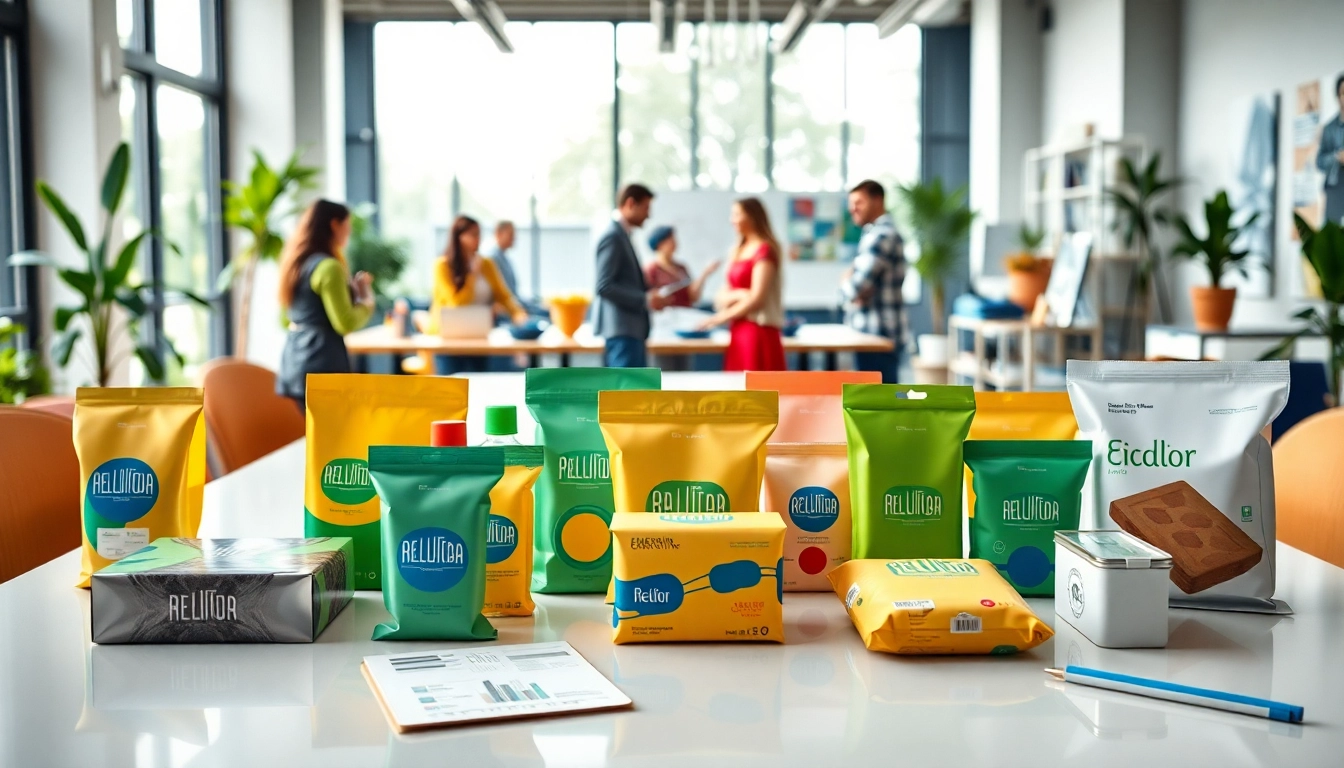
Understanding the Importance of Packaging for Emerging Brands
In today’s highly competitive marketplace, the success of emerging brands is often significantly influenced by their packaging strategies. Packaging serves as the first point of contact between consumers and products, making it essential for these brands to invest in packaging that effectively communicates their values and engages potential buyers. Packaging for Emerging Brands can not only enhance brand visibility but also foster customer loyalty and trust.
What Sets Emerging Brands Apart?
Emerging brands differentiate themselves through innovation, unique value propositions, and a strong connection with their target audience. Unlike established brands, these newcomers often lack the recognition that comes with longevity in the market. Instead, they rely on their branding and packaging to convey their narratives and resonate with consumers. The agility and adaptability of emerging brands allow them to cater to niche markets and implement contemporary design trends faster than their larger counterparts.
The Role of Packaging in Brand Identity
Packaging plays a pivotal role in establishing and reinforcing a brand's identity. It acts as the visual representation of the brand and is crucial in shaping consumers’ perceptions. Effective packaging can convey the essence of a brand, its mission, and its values, making it a crucial component in brand storytelling. The design elements, such as color, typography, and materials used, must align with the overall brand message to create a cohesive consumer experience.
Common Challenges Faced by New Brands
Emerging brands often face a myriad of challenges in the packaging realm, including limited budgets, rapid market changes, and the need for distinctive designs. Many new businesses struggle to find the right balance between aesthetic appeal and functionality, often leading to compromises that can impact product integrity. Additionally, navigating compliance with industry regulations can pose significant hurdles, further complicating the packaging process.
Essential Packaging Solutions for Emerging Brands
Choosing the Right Materials and Designs
Choosing the appropriate packaging materials is critical for both product protection and brand representation. Brands should consider eco-friendly options like biodegradable or recyclable materials to appeal to environmentally-conscious consumers. Moreover, the design should not only reflect brand aesthetics but also consider functionality and usability. Understanding the target audience can greatly influence design choices, from packaging size to texture and usability features.
Cost-Effective Packaging Strategies
Budget constraints are a common concern for emerging brands. To save on costs, brands can implement strategies such as bulk purchasing of packaging materials or utilizing simplified designs that require fewer printing processes. Additionally, brands might consider digital printing technology, which allows for more flexibility in design and production runs without incurring substantial costs. These practices not only reduce expenses but also allow for quicker turnaround times and adaptability to market demands.
Leveraging Technology in Packaging Design
The integration of technology in packaging design can provide a competitive edge for emerging brands. Technologies such as augmented reality (AR) and QR codes can enhance consumer engagement by offering interactive experiences. For instance, a brand could use AR to allow customers to visualize their products in use or to provide additional information about product origins and benefits. This tech-savvy approach not only appeals to modern consumers but can also stand out on store shelves.
Design Trends Shaping the Future of Packaging
Sustainable Practices for Modern Brands
As consumer awareness of environmental issues grows, sustainable packaging has become a crucial focus for emerging brands. Utilizing materials that are biodegradable, reusable, or made from recycled components is increasingly vital in building a responsible brand image. Moreover, sustainable practices can extend to efficient shipping and storage solutions, further reducing environmental impact. Brands that prioritize sustainability often find increased customer loyalty and positive brand advocacy.
Minimalism Vs. Complexity in Design
When it comes to packaging design, emerging brands often grapple with the decision of adopting a minimalist aesthetic or opting for a more complex design. Minimalism can lead to clean and sophisticated packaging that communicates clarity and simplicity. Conversely, complex designs might capture attention and evoke emotion but can also risk overwhelming consumers. Striking the right balance is essential; testing various designs with target audiences can inform the best approach.
Using Colors and Shapes Effectively
Color psychology plays a significant role in consumer behavior, influencing perceptions and purchase decisions. Emerging brands should carefully select colors that align with their brand identity and resonate with their audience. Similarly, the shape of packaging can create differentiation in crowded marketplaces. Unique shapes can be both functional and aesthetically pleasing, providing an opportunity for brands to stand out and enhance shelf appeal.
Case Studies: Successful Packaging for Emerging Brands
Unique Brand Stories Realized Through Packaging
Real-world examples of successful packaging can provide valuable insights for emerging brands. For instance, brands that effectively communicate their values—such as sustainability or community impact—through packaging storytelling often see stronger connections with consumers. Packaging that encapsulates the brand's journey not only attracts attention but also fosters loyalty by inviting customers to be part of that narrative.
Lessons from Successful Emerging Brands
Through dedicated analysis of successful packaging strategies, emerging brands can learn what works and what doesn't. Consistency in messaging, careful market research, and a willingness to iterate designs based on feedback are essential lessons. Additionally, packaging that directly addresses consumer pain points, whether it’s ease of use or sustainability, can significantly drive sales and brand loyalty.
Evaluating Packaging Impact on Sales
Measuring the effectiveness of packaging in driving sales is crucial for emerging brands. Brands should track performance metrics such as sales data, customer feedback, and engagement rates. Analyzing consumer behavior post-packaging redesign can provide insights into the impact of packaging on purchase decisions. Continuous evaluation allows brands to iterate and refine their packaging strategy for improved market performance.
Measuring the Success of Your Packaging Strategy
Key Performance Indicators to Track
Identifying and tracking key performance indicators (KPIs) can assist brands in evaluating their packaging success. Metrics such as market share growth, customer retention rates, and feedback on packaging aesthetics and usability should be monitored closely. This data can inform future designs, enabling brands to adapt quickly to market trends and consumer needs.
Gathering Consumer Feedback
Consumer feedback is invaluable when refining packaging strategies. Brands can gather insights through surveys, focus groups, or social media engagement to understand consumer perceptions and preferences. Analyzing this feedback allows brands to make informed decisions about packaging changes, ensuring that they align closely with audience expectations and enhance overall customer satisfaction.
Adapting Your Strategy Over Time
The packaging landscape is continually evolving, driven by consumer trends and technological advancements. Emerging brands should remain open to adapting their packaging strategies over time. This agility can be essential in staying relevant and meeting changing consumer demands. Regular reassessment of packaging design and material choices, influenced by industry trends and consumer feedback, ensures ongoing brand relevance and success.
FAQs
What is packaging for emerging brands? It's the design and material choices that convey the brand's identity while attracting consumers.
Why is packaging crucial for emerging brands? It differentiates the brand in a saturated market, reinforces identity, and can drive sales.
What materials are best for sustainable packaging? Options like biodegradable plastics, recycled materials, and glass often work well.
How can emerging brands save on packaging costs? Consider bulk purchasing, smart design choices, and choosing simpler materials to save money.
What trends should emerging brands follow in packaging? Focus on sustainability, unique designs, and user-friendly packaging.