
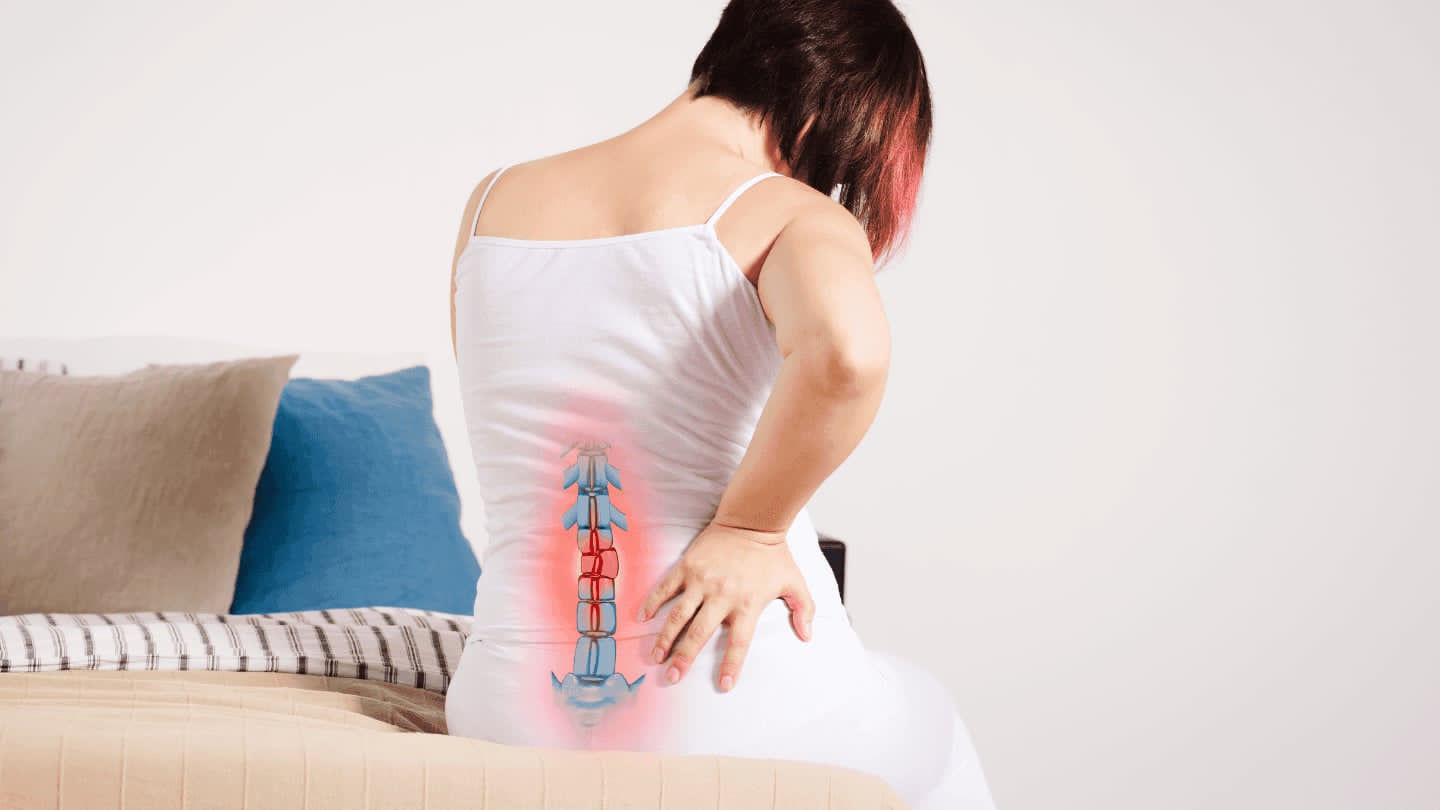
Lower back pain is one of the most common physical problems affecting people of all ages around the world. Lower back pain can make daily activities difficult and uncomfortable, especially for people who sit for long hours, lift heavy objects, or struggle with poor posture. Many individuals search for solutions to Lower back pain because constant discomfort can affect sleep, movement, productivity, and overall quality of life. Lower back pain often develops from muscle strain, weak posture, stress, or inactive lifestyles that place pressure on the spine. Finding relief from Lower back pain is important for maintaining flexibility, mobility, and healthy movement every day. Many office workers, students, athletes, and older adults experience Lower back pain because modern lifestyles involve long periods of sitting and reduced physical activity. Lower back pain can also create tension in the hips, shoulders, and neck, making the entire body feel uncomfortable and tired. Understanding the causes of Lower back pain and learning effective relief methods can improve comfort and support long-term spinal health. Lower back pain relief often involves posture correction, supportive habits, exercise, and lifestyle improvements that reduce strain on the muscles and joints. By focusing on healthier movement and daily support, people can manage Lower back pain naturally and enjoy a more active and comfortable lifestyle.
Understanding Lower back pain
Lower back pain affects the area between the hips and the lower spine. This part of the body supports most daily movement, including walking, bending, lifting, and sitting. Because the lower back carries so much weight and pressure, it is highly vulnerable to strain and discomfort.
Many people experience Lower back pain because of unhealthy posture habits and weak muscles. Sitting incorrectly for long hours places stress on the spine and surrounding muscles, leading to stiffness and fatigue. Poor lifting techniques and lack of movement can also increase the risk of Lower back pain over time.
Understanding the causes of Lower back pain is the first step toward finding effective relief and improving spinal health naturally.
Common Causes of Lower back pain
There are several common reasons why people develop Lower back pain during everyday life.
Poor Posture
Slouching while sitting or standing places pressure on the spine and weakens the supporting muscles.
Long Sitting Hours
Office workers and students often remain seated for long periods, increasing tension in the lower back.
Weak Core Muscles
Weak abdominal muscles fail to support the spine properly, causing extra stress on the lower back.
Heavy Lifting
Improper lifting techniques can strain muscles and joints, leading to pain and stiffness.
Stress and Muscle Tension
Stress often causes tightness in the back and shoulders, increasing physical discomfort.
The Importance of Proper Posture
Good posture is one of the best ways to reduce Lower back pain and improve overall comfort. Proper alignment keeps the spine balanced and decreases pressure on the muscles and joints.
When posture improves, the body distributes weight evenly and muscles work more efficiently. This reduces strain on the lower back and allows movement to feel smoother and less painful.
People who focus on posture correction often notice less Lower back pain during daily activities such as sitting, standing, and walking. Healthy posture also improves breathing, balance, and overall body awareness.
Best Daily Habits for Lower back pain Relief
Simple lifestyle habits can make a major difference in reducing Lower back pain naturally.
Maintain Proper Sitting Posture
Sit with the back straight and shoulders relaxed. Both feet should stay flat on the floor for better spinal support.
Take Frequent Movement Breaks
Standing and stretching every hour reduces stiffness and improves circulation.
Stay Physically Active
Regular movement strengthens muscles and supports flexibility in the spine and hips.
Sleep with Proper Support
A supportive mattress and pillow help maintain healthy spinal alignment during sleep.
Lift Objects Correctly
Always bend the knees and keep the back straight while lifting heavy items.
Exercises That Help Reduce Lower back pain
Exercise is one of the most effective ways to support spinal health and improve mobility.
Stretching Exercises
Stretching improves flexibility and reduces tension in the hips, hamstrings, and lower back.
Core Strengthening
Strong abdominal muscles provide support for the spine and reduce pressure on the lower back.
Walking
Walking is a simple low-impact exercise that improves circulation and spinal movement.
Yoga and Pilates
These activities improve flexibility, posture, balance, and muscle strength.
How Core Strength Supports the Lower Back
Core muscles play an important role in spinal support and body stability. Weak core muscles force the lower back to work harder during movement, increasing the risk of strain and discomfort.
People experiencing Lower back pain should focus on strengthening the abdomen and lower back through gentle exercises such as planks and bridges. A stronger core improves balance, posture, and movement efficiency.
Core strengthening also helps prevent future injuries and supports long-term spinal health.
The Role of Ergonomic Support
Ergonomic support can significantly reduce Lower back pain during work and daily activities.
Ergonomic Chairs
Supportive chairs help maintain proper spinal alignment while sitting.
Lumbar Cushions
Lumbar support cushions reduce pressure on the lower back and encourage healthier posture.
Standing Desks
Alternating between sitting and standing reduces stiffness and muscle fatigue.
Supportive Shoes
Comfortable footwear improves balance and reduces strain on the back and legs.
How Stress Affects Lower back pain
Stress can worsen Lower back pain by causing muscle tension and stiffness. Many people carry stress in the shoulders and lower back, which increases discomfort over time.
Relaxation techniques such as deep breathing, meditation, and stretching can help reduce tension naturally. Managing stress also improves sleep quality and supports overall wellness.
People who reduce stress often notice improvements in muscle relaxation and physical comfort throughout the body.
Signs That Lower back pain Needs Attention
Recognizing the warning signs of Lower back pain can help prevent long-term problems.
Persistent Stiffness
Constant tightness may indicate muscle strain or poor posture.
Pain During Sitting
Discomfort while sitting often results from inadequate support and poor alignment.
Difficulty Standing for Long Periods
Weak muscles and spinal strain can make standing uncomfortable.
Reduced Flexibility
Limited movement may suggest muscle tightness or joint stiffness.
Fatigue During Daily Activities
Poor posture forces muscles to work harder, leading to tiredness.
Creating a Healthy Workspace
A healthy workspace setup is important for preventing and managing Lower back pain.
Adjust the Chair Properly
Keep the knees at a comfortable angle and support the lower back while sitting.
Position the Screen at Eye Level
A properly positioned monitor reduces neck and shoulder strain.
Keep the Shoulders Relaxed
Avoid raising the shoulders while typing or using the mouse.
Take Short Breaks Frequently
Standing and stretching during work hours reduces muscle tension.
Healthy Lifestyle Choices for Back Health
Healthy habits support spinal health and help reduce Lower back pain naturally.
Stay Hydrated
Hydration supports healthy muscles and spinal discs.
Maintain a Healthy Weight
Extra body weight increases pressure on the spine and joints.
Eat Nutritious Foods
Healthy nutrition strengthens muscles, bones, and connective tissues.
Get Enough Sleep
Quality sleep allows the body to recover and repair itself naturally.
Benefits of Improving Spinal Health
Improving spinal health offers many long-term benefits beyond pain relief.
Better Mobility
Healthy alignment improves flexibility and movement.
Increased Energy
Reduced muscle strain helps people feel more active throughout the day.
Improved Confidence
Standing and sitting upright improves body language and posture awareness.
Reduced Risk of Injury
Stronger muscles and better posture help prevent future strain and discomfort.
Enhanced Quality of Life
People often enjoy greater comfort and productivity after reducing Lower back pain.
Natural Methods for Long-Term Relief
Many people prefer natural approaches to managing Lower back pain because they focus on long-term improvement rather than temporary relief.
Healthy posture, regular exercise, stretching, stress management, and supportive furniture all work together to improve comfort naturally. These methods encourage healthier movement habits and reduce the risk of future pain.
Consistency is important for achieving lasting results. Small daily improvements can create major benefits for spinal health over time.
Building a Daily Routine for Lower back pain Relief
Creating healthy daily routines is one of the best ways to reduce Lower back pain and improve overall wellness.
Start each day with stretching exercises and maintain posture awareness throughout daily activities. Avoid sitting for long periods without movement and stay physically active whenever possible.
Supportive habits such as using ergonomic furniture and strengthening the core can provide lasting relief and improve daily comfort.
Conclusion
Lower back pain can affect movement, comfort, and overall quality of life, but healthy habits and supportive routines can provide effective relief naturally. By improving posture, strengthening muscles, staying active, and reducing stress, individuals can support long-term spinal health and reduce discomfort.