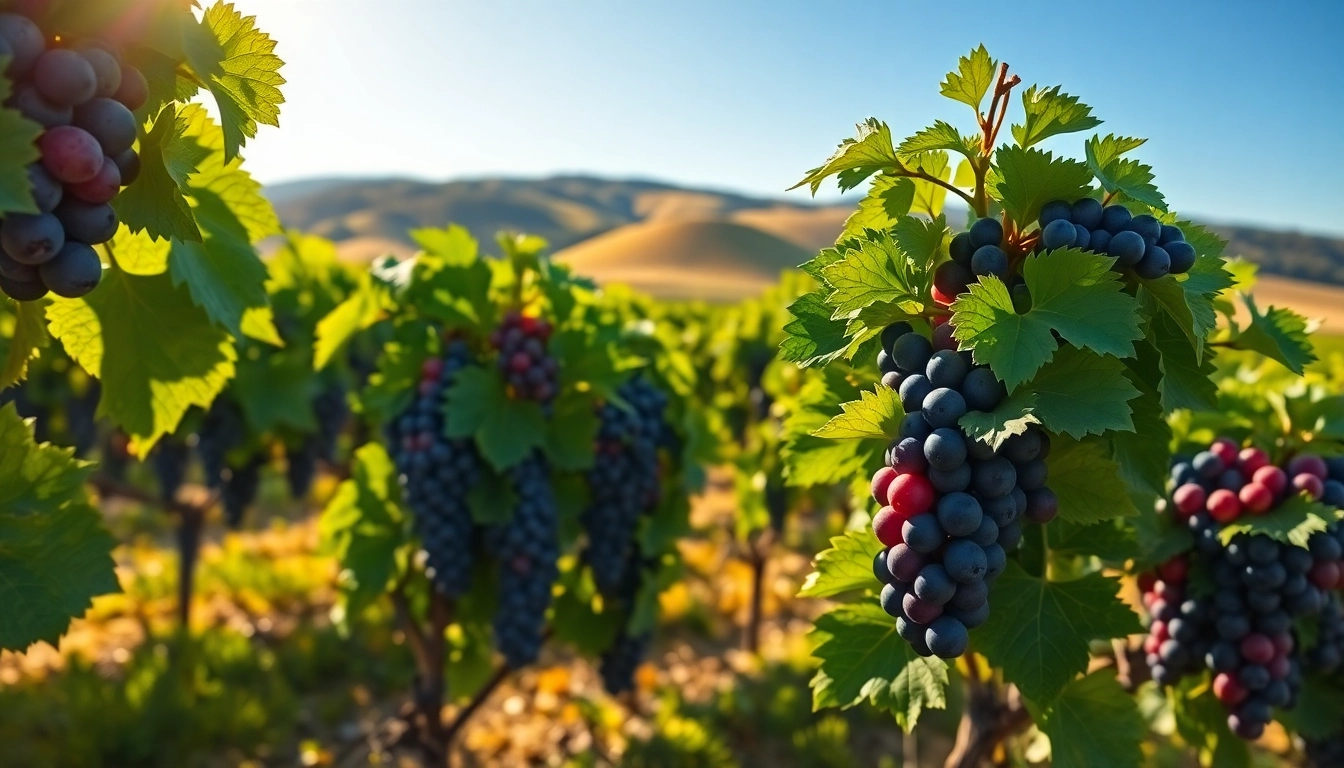
Introduction to Delta Wine Grapes California
California's wine industry is celebrated globally, with numerous regions producing unique and exceptional wines. Among these, the Delta region stands out for its diverse grape varietals and unique terroir. delta wine grapes california have become synonymous with quality and innovation, captivating wine enthusiasts and casual consumers alike. This article delves into the intricate world of Delta wine grapes, exploring their historical significance, varietals, geographical advantages, production processes, flavor profiles, challenges, and future trends.
The Historical Significance of Delta Wine Grapes California
The Delta region's winemaking history is rich and deeply intertwined with California’s agricultural narrative. This area, characterized by fertile soil and a unique climate, began its journey into viticulture over a century ago. Early pioneers recognized the viability of grape cultivation in the Delta, with significant contributions from Italian and German immigrants who brought their old-world winemaking traditions. Today, the Delta region boasts a long-standing reputation for producing high-quality wines, from robust reds to refreshing whites, each reflecting the region's unique characteristics.
Major Grape Varieties in the Delta Region
The Delta region is home to a plethora of grape varietals, each contributing to the diversity of wines produced. Among the most prominent are:
- Cabernet Sauvignon: Known for its bold flavors and aging potential, this red varietal thrives in the Delta's climate.
- Chardonnay: As the most widely planted white grape in California, Chardonnay from the Delta showcases vibrant fruit flavors and a crisp finish.
- Zinfandel: Often referred to as California’s signature grape, Zinfandel from the Delta offers ripe fruit notes and spicy undertones.
- Merlot: This popular varietal is known for its smooth, plush textures and flavors ranging from dark fruits to earthy tones.
- Sauvignon Blanc: Valued for its bright acidity and fresh flavor profile, this white grape shines in the warmer Delta climates.
The Geography and Terroir of Delta Wine Grapes California
Impact of Soil Composition on Grape Quality
The place where vines are grown drastically impacts the resulting wine quality. In the Delta, the soil comprises alluvial deposits, which are rich in nutrients and provide ample drainage—ideal conditions for vine growth. The diverse soil types, ranging from sandy loam to clay, contribute to the unique character of the wines produced. For instance, sandy loam promotes a more fruit-forward style in varietals like Zinfandel, while heavier clay retains moisture, benefiting Cabernet Sauvignon during hot summer months.
Climate Conditions Favoring Delta Wine Grapes California
The Delta region's climate plays a crucial role in grape quality. With hot, dry summers and cool, breezy evenings, grapes attain optimal ripeness while retaining acidity. This climate balances heat and coolness, allowing for prolonged growing seasons that are essential for flavor development. The unique microclimates within the Delta enable vintners to grow a diverse array of varietals, fostering a rich tapestry of wine styles.
Hydrology and Its Role in Vineyard Management
The Delta’s hydrology is a compelling aspect of vineyard management. The region’s complex system of waterways influences local microclimates and grape health. Irrigation from these water sources is vital, especially during dry spells, ensuring the vines get enough moisture without the risk of over-saturation. Additionally, the proximity to these waterways can mitigate extreme temperature fluctuations, further enhancing grape quality and vineyard sustainability.
Exploring Flavor Profiles of Delta Wine Grapes California
Key Flavor Notes Found in Delta Wines
Delta wines are known for their vibrant and complex flavor profiles. The terroir plays a key role in the specific notes found in the wines. Common characteristics include:
- Fruity: Wines often exhibit aromas of blackberry, raspberry, citrus, and apple, resulting from the region's nutrient-rich soils.
- Spicy: Varietals like Zinfandel can present delightful spice notes of pepper and clove, adding depth and intrigue.
- Floral: Whites, particularly Sauvignon Blanc, may have hints of citrus blossoms and honeysuckle, enhancing their aromatic complexity.
Pairing Delta Wines with Food
Dining experiences can be significantly elevated by pairing the right wine with the right food. The diverse flavor profiles of Delta wines allow for a wide range of pairing options. For example:
- Cabernet Sauvignon: Pairs wonderfully with grilled meats and hearty stews.
- Chardonnay: Complements seafood dishes and creamy pastas beautifully.
- Zinfandel: Excellent with barbecue and spicy cuisine, enhancing flavorful dishes.
- Sauvignon Blanc: This varietal is best enjoyed with light salads and fresh seafood.
How Terroir Affects Flavor Profiles
The concept of terroir encompasses the environment in which the grapes are grown, including soil, climate, and local traditions. In Delta, variations in altitude, temperature, and moisture contribute to distinctively flavored wines. Terroir impacts not just the grape's color or size, but also the flavors it develops. For instance, the influence of riverbanks could lend a certain minerality to the wine, which is particularly valued by connoisseurs. Thus, understanding local terroir can drastically enhance winemaking practices and consumer enjoyment.
Challenges Facing Delta Wine Grapes California Producers
Impact of Climate Change on Wine Production
Climate change poses significant challenges to wine production practices in the Delta. With rising temperatures, traditional growing schedules are disrupted, leading to earlier harvests that may affect flavor profiles. Additionally, increased instances of drought necessitate innovative irrigation strategies to sustain vineyard health. Adaptation through sustainable practices and careful monitoring is key for producers to thrive under these changing conditions.
Pest Management and Vineyard Health Concerns
Maintaining vineyard health is pivotal in grape cultivation. The Delta faces threats from various pests and diseases that can compromise grape quality and yield. Integrated pest management (IPM) strategies are crucial for mitigating these risks through a balance of biological controls, careful observation, and eco-friendly practices. By emphasizing vineyard health and resilience, producers can maintain fruitful harvests while minimizing environmental impact.
Market Competition and Consumer Preferences
The wine market is increasingly competitive, with consumer preferences shifting towards organic and sustainable practices. Delta producers must adapt by incorporating these values while highlighting the unique attributes of their wines. Storytelling through branding, focusing on local heritage and environmental stewardship, can enhance the appeal of Delta wines to discerning consumers. This approach fosters a deeper connection between the wine and its drinkers, promoting loyalty and sales.
Future Trends for Delta Wine Grapes California
Innovations in Grape Cultivation Techniques
As challenges persist in the wine industry, innovations in grape cultivation are emerging. Techniques such as precision viticulture and data-driven irrigation are being adopted to optimize grape quality and resource use. Implementing technology in vineyard management allows growers to make informed decisions, ultimately enhancing crop yield while mitigating environmental impacts. Knowledge-sharing among producers further empowers the community to evolve and adapt through collaboration.
Marketing Strategies for Delta Wine Grapes California
Effective marketing strategies are pivotal for boosting sales in the wine sector. Delta producers are increasingly utilizing digital marketing channels and social media platforms to connect with consumers. Initiatives such as virtual tastings, online sales, and engaging storytelling about the vineyard's heritage can attract a broader audience. Leveraging these modern strategies can help Delta wines stand out in a crowded marketplace.
Opportunities for Sustainable Practices in Wine Production
Sustainability is fast becoming a standard in winemaking, with consumers favoring eco-friendly options. Delta producers are harnessing opportunities to implement sustainable practices, such as organic viticulture and responsible water management. By minimizing their ecological footprint while producing exceptional wines, these growers can appeal to a conscientious consumer base keen on supporting sustainable agriculture. Such practices not only ensure a healthier planet but can elevate the quality of the grapes produced.
Frequently Asked Questions
What types of grapes are grown in the Delta region?
The Delta region grows a variety of grapes, including Cabernet Sauvignon, Chardonnay, Zinfandel, Merlot, and Sauvignon Blanc among others.
How does the terroir affect Delta wines?
Terroir influences flavor profiles through factors like soil composition, climate, and the surrounding environment, impacting grape quality and wine characteristics.
What are the main challenges faced by Delta wine producers?
Producers face challenges such as climate change, pest management, and increasing market competition, requiring adaptability and innovation.
How can I pair Delta wines with food?
Consider food pairings like Cabernet Sauvignon with grilled meats, Chardonnay with seafood, and Zinfandel with barbecue for optimal enjoyment.
What are the trends in Delta wine production?
Trends include sustainable practices, innovative cultivation techniques, and enhanced marketing strategies to boost sales and attract consumers.